Lisbon Beyond Viewpoints: A Cultural Travel Guide to Fado, Azulejos, Food, Trams, and Everyday Saudade

Lisbon Beyond Viewpoints: A Cultural Travel Guide to Fado, Azulejos, Food, Trams, and Everyday Saudade

Explore Lisbon beyond viewpoints through fado, azulejos, food, trams, Alfama, Mouraria, saudade, and a 3-day cultural itinerary.

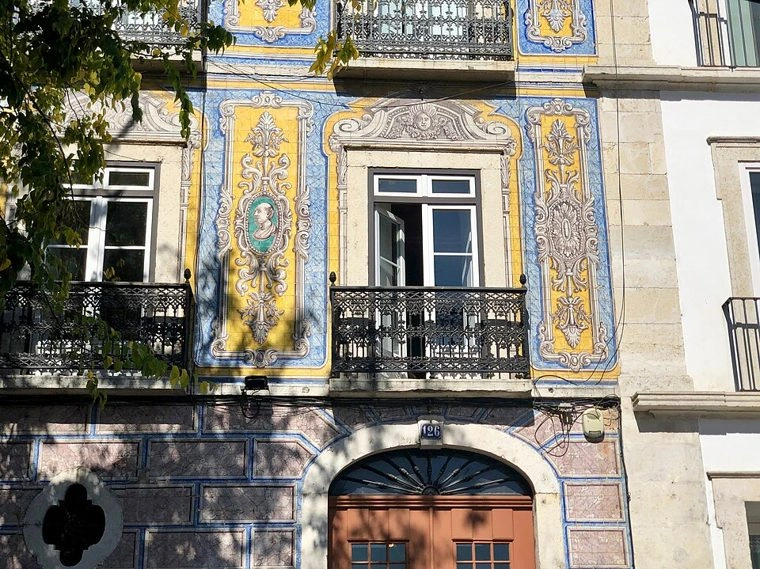
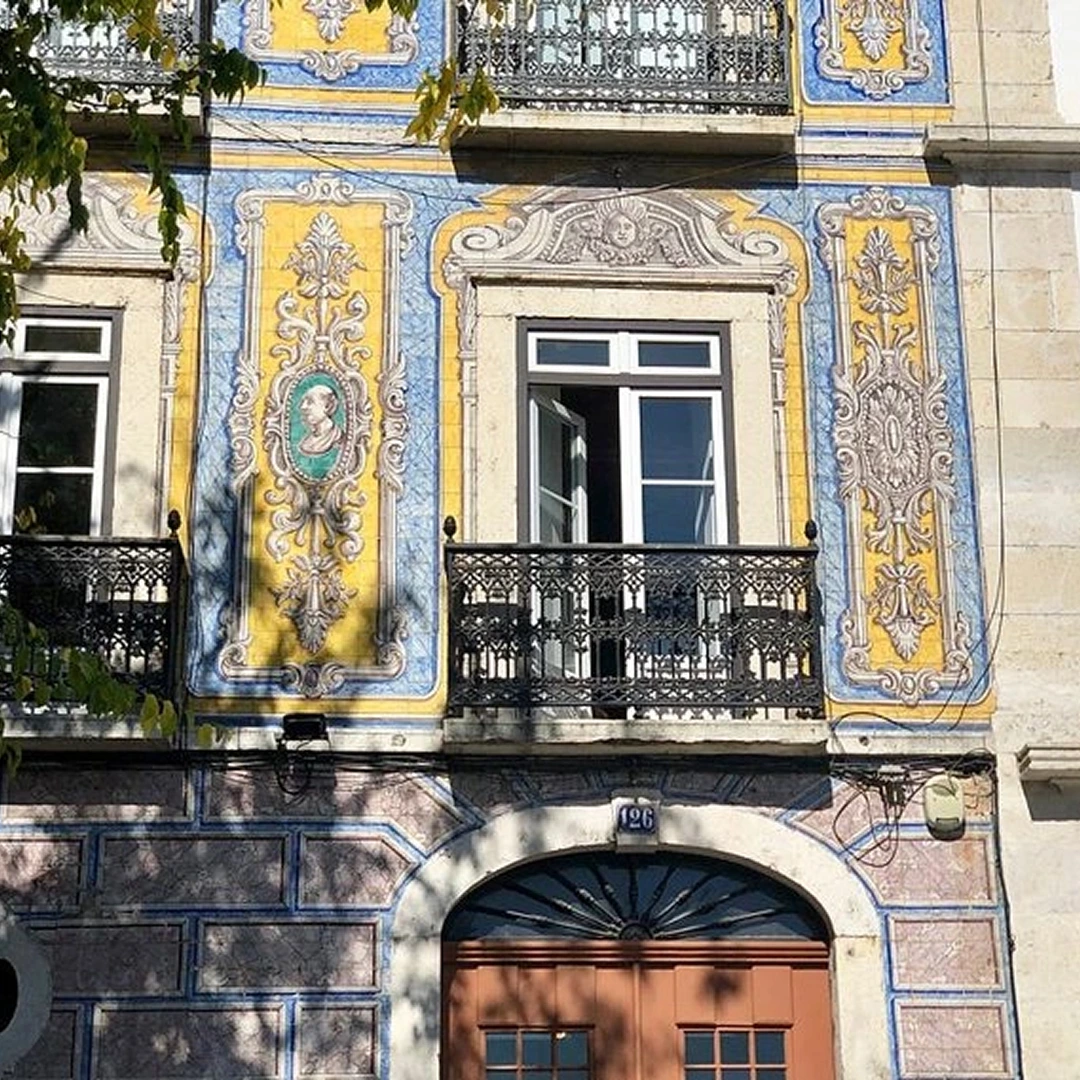
Azulejos in Alfama

Azulejos in Alfama

Direct Answer: How Do You Experience Lisbon Culturally?

The best way to experience Lisbon culturally is to move beyond viewpoints and spend time with fado, azulejos, Alfama, Mouraria, food rituals, trams, river-facing streets, and everyday saudade. Walk slowly, listen quietly in a fado house, look closely at tiled façades, eat in small local places, and treat old neighborhoods as living communities rather than scenery.

The Cultural Context of Lisbon

Lisbon asks travellers to look sideways. The city’s famous miradouros are beautiful, but the deeper story is often below them: in laundry hanging over Alfama lanes, elderly neighbours greeting each other from windows, tiles cracked by weather, and the sound of a tram squeezing through a street that feels too narrow for modern hurry.

Its culture is shaped by the Atlantic, empire, earthquake, migration, dictatorship, revolution, tourism, and everyday resilience. The 1755 earthquake changed the city’s physical and emotional geography, while the river kept Lisbon outward-facing. Today, the city is loved globally, but that popularity also affects rent, local businesses, and the pace of old neighborhoods.

Fado, Saudade, and the City’s Emotional Voice

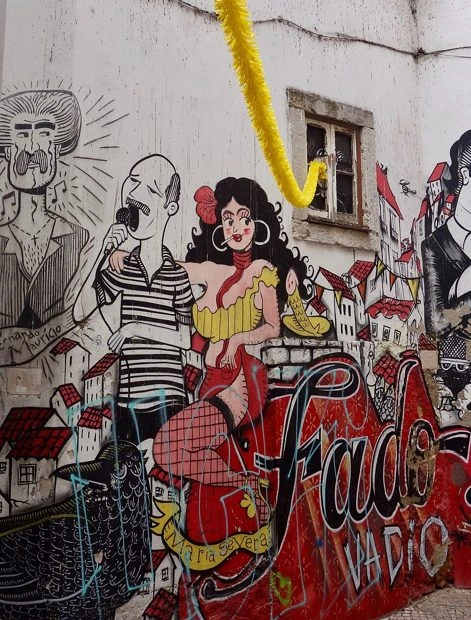
Fado is Lisbon’s most recognizable cultural sound. UNESCO describes it as a music-and-poetry performance genre widely practiced by Lisbon communities. It is usually sung with Portuguese guitar and classical guitar, and its emotional world often turns around longing, fate, absence, love, memory, and saudade.

To experience fado respectfully, choose a small fado house in Alfama, Mouraria, or Bairro Alto and listen without talking during songs. You do not need to understand every word. The point is attention. Fado is not background music for dinner; it is the city asking for silence.

Azulejos and City Memory

Azulejos are not only decoration. They protect walls, cool surfaces, tell stories, advertise taste, and make Lisbon visually readable. The National Tile Museum notes that Portuguese tile history stretches from the 15th century to the present, making azulejos one of Portugal’s most distinctive artistic expressions.

Look for them on churches, railway stations, ordinary apartment buildings, fountains, and stairways. Some are grand, some damaged, some half-hidden behind traffic signs. That is part of the beauty: Lisbon’s tiles are public art mixed with ordinary use.

Food, Cafés, and Everyday Taste

Lisbon food is best understood through routine. A quick bica coffee at the counter. Pastel de nata still warm enough to make silence useful. Grilled sardines in season. Bacalhau in many forms. Bifana, petiscos, seafood rice, ginjinha, and neighborhood bakeries that locals judge seriously.

Food here is not only about what to eat, but how to pause. Lisbon’s café culture lets travellers watch the city without chasing it. Sit, order small, and notice who comes in before work, after errands, or just for five minutes of familiar comfort.

Food / DrinkCultural MeaningHow to Try It
Pastel de nataBakery culture, routine, and sweet restraintTry one warm with coffee
BacalhauSea history and Portuguese home cookingAsk which preparation is house-style
GinjinhaSmall rituals and social drinkingTry a small glass, not as a party shot
PetiscosShared plates and informal eatingOrder slowly with local wine

Trams, Neighborhoods, and Responsible Movement

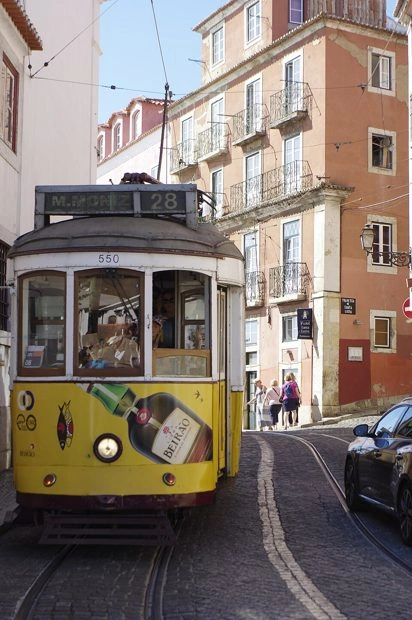
Tram 28 has become a Lisbon symbol. Visit Lisboa says it travels between Graça and Prazeres, crossing historic bairros, Baixa, Chiado, Estrela, and Campo de Ourique. But it is also public transport, not only a photo prop. Ride early, avoid blocking locals, and watch your belongings on crowded cars.

Alfama and Mouraria should be explored slowly. Visit Lisboa describes Alfama as Lisbon’s oldest and most traditional neighborhood, best discovered little by little. That phrase is useful advice. These are lived-in areas, so keep voices low at night, do not photograph residents without permission, and remember that tourism can change the very streets travellers came to enjoy.

Trams, Neighborhoods, and Responsible Movement

A Meaningful 3-Day Lisbon Experience Flow

Day 1: Alfama, Fado, and River Light

Begin in Alfama before the biggest crowds. Walk without trying to “complete” every viewpoint. Visit a small church or square, pause for coffee, then book fado for the evening.

Day 2: Mouraria, Azulejos, and Food

Explore Mouraria and tile-lined streets. Add the National Tile Museum if open and convenient, then build the evening around petiscos, bacalhau, or a simple local tasca.

Day 3: Trams, Baixa, Chiado, and Belém

Use trams carefully, walk Baixa and Chiado, and add Belém for maritime memory and pastries. Keep space for sitting by the Tagus instead of rushing another viewpoint.

Travel Tips, Best Time, and Budget

Planning PointRecommendation
Best timeSpring and autumn for comfortable walking; summer is lively but crowded and hotter.
Ideal duration3 days for fado, tiles, food, trams, and two or three neighborhoods.
Where to stayBaixa/Chiado for convenience, Alfama for atmosphere, Príncipe Real for calmer evenings.
Budget styleUse cafés, bakeries, metro, and walking for value; save for one good fado night.
Responsible tipSupport local businesses, respect residential lanes, and do not treat trams as private photo sets.

FAQs About Visiting Marrakech

Lisbon is known for fado, azulejos, hill neighborhoods, trams, pastel de nata, maritime history, river light, and the feeling of saudade.

Saudade is a Portuguese feeling of longing, absence, memory, and emotional depth. In Lisbon, travellers often sense it through fado, old streets, and river views.

Yes, but ride early or outside peak hours. It is scenic and historic, but also crowded and still part of public transport.

Final Takeaway

Lisbon belongs on Travelling Travel because it teaches culture through feeling: a tiled wall, a tram bell, a quiet fado room, a bakery counter, a steep lane, a river breeze. To understand Lisbon, do not only climb to see the city from above. Walk through it slowly enough to hear what it keeps singing below.

Leave a Reply

Your email address will not be published. Required fields are marked *