Jemaa el-Fna, Marrakech

Direct Answer: What Is the Best Way to Experience Marrakech Culturally?
The best way to experience Marrakech culturally is to move slowly through the medina, souks, riads, hammams, food stalls, craft workshops, and Jemaa el-Fna while understanding the etiquette behind hospitality, bargaining, privacy, and public performance. Stay in or near a riad, walk the medina with patience, eat Moroccan dishes beyond tourist menus, visit craft souks respectfully, try a hammam if comfortable, and treat Jemaa el-Fna as a living cultural space rather than only a spectacle.
Why Marrakech Belongs on Travelling Travel
Marrakech does not explain itself in a straight line. One moment you are inside a crowded alley where leather, olives, lamps, motorbikes, spices, donkeys, and tourists all negotiate space. The next moment you step through a plain doorway into a riad courtyard where water, tiles, orange trees, and silence seem to belong to a different city.
This contrast is the cultural heart of Marrakech. The city is public and private at once. Its medina can feel overwhelming, but its homes and courtyards turn inward. Its souks are full of talk and performance, while hospitality often arrives as a careful glass of mint tea. Its famous square can feel chaotic, but it also carries long traditions of storytelling, music, food, and exchange.
For Travelling Travel, Marrakech is an important global pillar because it moves the website beyond India and into North Africa. It lets us explore culture through Islamic urbanism, craft economies, hospitality, market behaviour, food rituals, architectural privacy, and responsible tourism in an overvisited cultural city.
The Cultural Context of Marrakech
The Medina of Marrakesh is a UNESCO World Heritage Site. UNESCO notes that the city was founded in 1070–72 by the Almoravids and remained a political, economic, and cultural centre whose influence reached across the western Muslim world, from North Africa to Andalusia. This matters because Marrakech is not simply an old town with shops. It is an urban inheritance shaped by dynasties, trade, craft, religion, migration, and tourism.
Official Morocco tourism describes Marrakech as the ochre city, inviting travellers to discover Jamaa El-Fna, the bustling medina, historic palaces, Majorelle Garden, and local food such as tanjia. But the best way to approach Marrakech is to resist turning these places into separate attractions. The city works as a system: square, souk, mosque, riad, hammam, food stall, courtyard, and alley all speak to each other.
Travellers should also remember that Marrakech is both local city and global destination. Tourism supports livelihoods, but it can also turn cultural spaces into performances made for outsiders. The goal is not to avoid tourist areas entirely; it is to move through them with awareness.
Travelling Travel Lens
Do not ask only, “What should I buy in the souks?” Ask, “How do trade, craft, hospitality, privacy, bargaining, faith, and tourism shape daily life inside Marrakech?”
How Marrakech Evolved Around the Medina
Marrakech’s old city is not a grid made for easy orientation. The medina is built around movement that feels human, local, layered, and sometimes deliberately indirect. Alleys bend, doors hide courtyards, workshops cluster by craft, and landmarks become emotional rather than purely geographic. You remember the smell of olives, the turn after a lamp shop, the sound near a mosque, the shadow before a fountain.
The medina also shows how cities can protect intimacy. Many traditional buildings do not reveal themselves from the street. The outside may be plain, even modest. Inside, a riad can open into carved plaster, zellige tile, woodwork, water, greenery, and light. This inward architecture says something about privacy, family, climate, hospitality, and social life.
Modern Marrakech has expanded far beyond the walls, especially into areas such as Gueliz and Hivernage, where cafés, boutiques, hotels, galleries, and wider roads create a different rhythm. A good cultural trip should experience both: the medina for historic density and craft; the newer city for contemporary Morocco, design, restaurants, and everyday urban life.
Marrakech Souk
Souks, Craft, and the Culture of Negotiation
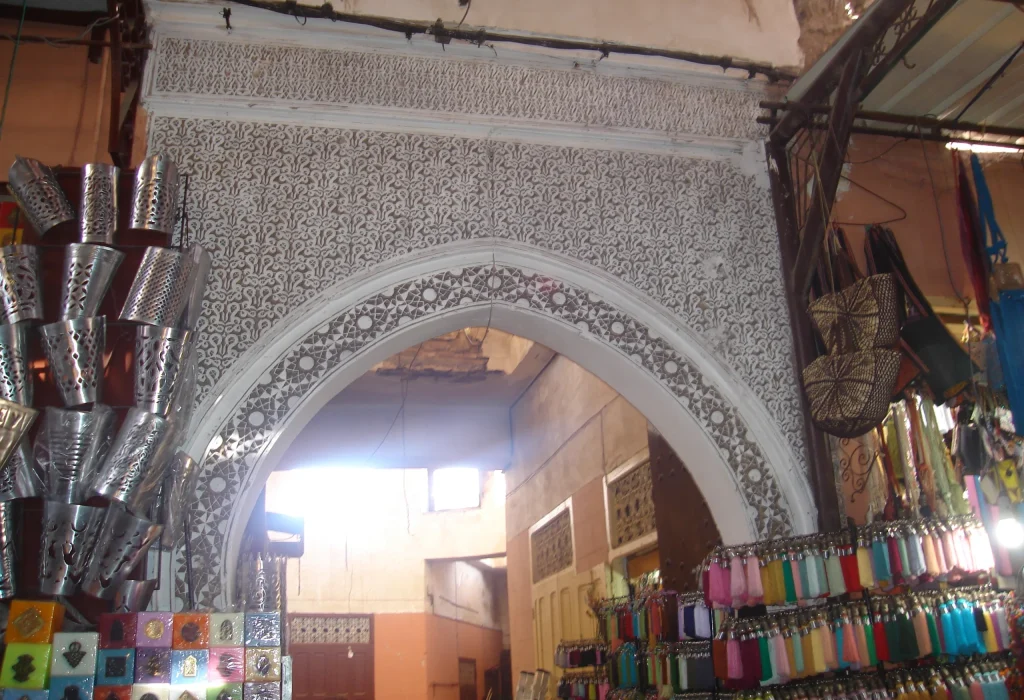
The souks are often presented as a place to shop, but culturally they are much more than that. They are a network of craft, supply chains, display, conversation, bargaining, and sensory memory. Leather slippers, metal lamps, carpets, ceramics, spices, baskets, woodwork, textiles, and argan products all carry different relationships between labour and tourism.
Bargaining is part of the experience, but it should not become disrespect. A fair negotiation is different from treating every seller as an obstacle. Ask questions about the object: where it is made, who made it, what material was used, whether it is handmade or factory-made. You may not always get perfect answers, but better questions change the encounter.
If the medina feels confusing, take a licensed local guide for your first walk. It can reduce stress and help you understand neighbourhood logic. After that, allow yourself to wander gently. Getting slightly lost is part of Marrakech, but getting pressured into purchases is not. Walk with warmth and clear boundaries.
| Souk Experience | Cultural Meaning | Responsible Travel Note |
|---|---|---|
| Leather slippers and bags | Craft, design, tourism demand, and Moroccan material culture | Ask about origin and quality before bargaining |
| Lamps and metalwork | Light, pattern, workshop skill, and export taste | Check size, wiring, and transport practicality |
| Spices and olives | Food memory, market colour, and household cooking | Buy small amounts from shops that explain usage clearly |
| Carpets and textiles | Regional identity, Berber/Amazigh patterns, family and cooperative work | Take time; avoid rushed high-pressure buying |
Riads: Private Calm Inside Public Chaos
A riad is more than a photogenic hotel. Traditionally, it is an inward-looking Moroccan house built around a courtyard or garden. In Marrakech, staying in a riad can help travellers understand one of the city’s central cultural contrasts: the street may be crowded, but the home protects quiet.
The courtyard is the emotional centre. Water, plants, shade, tiles, carved wood, and filtered light create a world that cools the body and slows the mind. This is not accidental design. It reflects climate, privacy, hospitality, and a social idea of interior beauty. Marrakech teaches you that not everything valuable needs to announce itself from outside.
For first-time visitors, a riad inside the medina gives atmosphere and walking access, but it may also involve narrow lanes and luggage challenges. Gueliz or Hivernage can be easier for travellers who prefer wider roads and taxis. The right choice depends on whether you want immersion, convenience, or a balance of both.
Traditional Riad Courtyard

Jemaa el-Fna: Public Theatre and Tourism Pressure
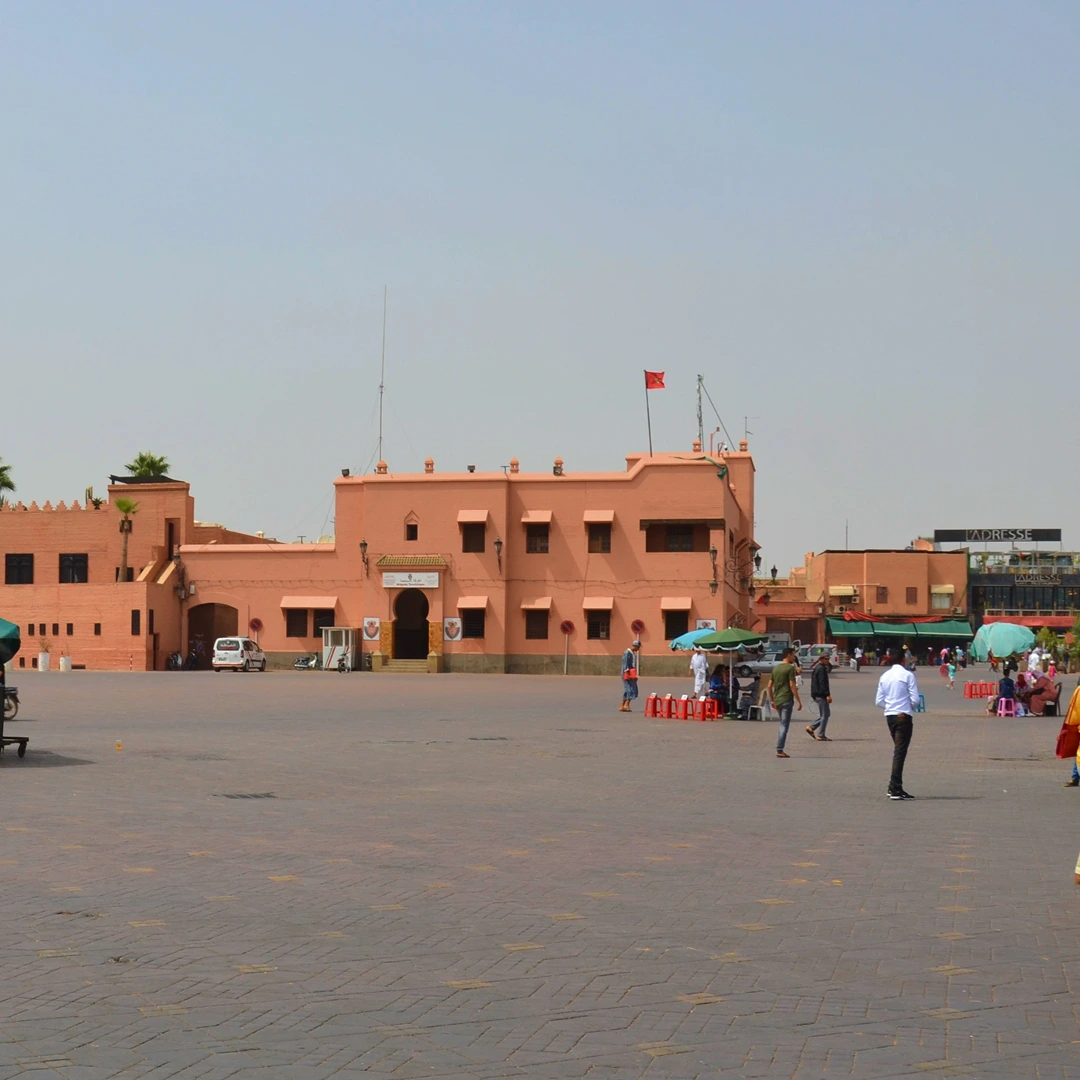
Jemaa el-Fna is Marrakech’s most famous public space, but it should not be treated only as entertainment. UNESCO recognizes the cultural space of Jemaa el-Fna Square as a major place of cultural exchange, while also noting that urbanization, infrastructure development, real estate pressure, tourism, and acculturation can threaten the practices associated with the square.
This makes Jemaa el-Fna one of the best places to practice responsible cultural travel. You can enjoy the evening food stalls, music, crowds, and spectacle, but you should also understand that culture here is under pressure. Performers, vendors, guides, tourists, local families, and photographers all share the square with different expectations.
Avoid intrusive photography, especially of performers, animals, or people who have not consented. Be cautious with unsolicited services, and do not feel guilty for saying no politely. At the same time, do not move through the square with suspicion toward everyone. Marrakech works best when you combine openness with boundaries.
Food, Mint Tea, and Moroccan Hospitality
Marrakech food is often reduced to tagine, but the city’s table is wider. Tanjia is especially associated with Marrakech: a slow-cooked meat dish traditionally prepared in an earthenware pot and linked with communal cooking culture. You will also encounter couscous, harira, msemen, olives, dates, grilled meats, salads, breads, pastilla, fresh orange juice, and mint tea.
Food culture in Marrakech is not only about restaurants. Bread may go to a neighbourhood oven. Mint tea may open a conversation. A market stall may explain more about daily life than a tasting menu. A rooftop dinner may reveal the city’s soundscape: call to prayer, motorbikes, voices, drums, and cutlery rising together after dark.
Hospitality matters deeply in Moroccan culture, but travellers should avoid romanticising it as unlimited access. A welcome is still shaped by context. Be gracious, accept tea when appropriate, and understand that hospitality and commerce can overlap in tourist areas. That overlap is not automatically dishonest; it is part of the city’s economy.
| Food / Drink | What It Reveals | How to Try It |
|---|---|---|
| Tanjia | Marrakech-specific slow cooking, urban food identity, shared ovens | Ask a local restaurant how it is prepared and when it is freshest |
| Tagine | Slow cooking, spice balance, family-style eating | Try different versions rather than ordering only one “classic” dish |
| Mint tea | Hospitality, conversation, welcome, and social rhythm | Drink slowly and treat it as social time, not just refreshment |
| Msemen and bread | Breakfast culture, street food, everyday comfort | Try in the morning with honey, cheese, or tea |
| Olives, spices, dates | Market culture, household cooking, regional taste | Buy small amounts and ask how locals use them |
Hammams and the Social Meaning of Wellness
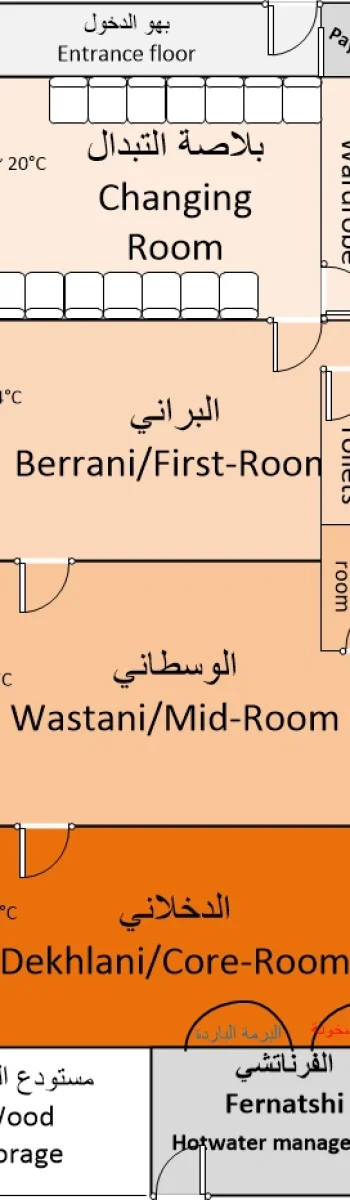
A hammam is often described to tourists as a spa, but that word does not fully capture its social meaning. Traditional hammams are public bathhouses connected with cleansing, community, routine, and care. Hotel hammams and private spa hammams are more comfortable for many first-time visitors, but they are also more curated.
If you want a traditional hammam experience, ask about etiquette before going. Men and women usually have separate spaces or hours. Modesty expectations matter. You may need soap, a scrub glove, towel, and sandals. If you prefer privacy, choose a riad or spa hammam where the process is explained clearly.
Do not treat hammam culture as exotic performance. It is a normal part of life for many people. The respectful traveller asks, listens, and chooses the version of the experience that matches their comfort level without mocking or sensationalising local customs.
Traditional Moroccan Hammam Layout
A Meaningful 3-Day Marrakech Experience Flow
This itinerary is designed for cultural understanding rather than rushing through landmarks.
Day 1: Medina Orientation, Souks, and Jemaa el-Fna
Begin with a guided or self-guided medina walk. Learn the logic of the lanes before shopping seriously. Visit souks by craft area, pause for mint tea, and return to Jemaa el-Fna near sunset when the square changes mood. Keep your first night simple: observe more than you photograph.
Day 2: Riads, Palaces, Food, and Hammam
Use the second day to explore the relationship between public city and private interior. Visit Bahia Palace or Ben Youssef Madrasa depending on interest and opening schedules, then experience a hammam or slow lunch. In the evening, eat tanjia or a traditional Moroccan meal and think about how food, architecture, and hospitality share the same language of patience.
Day 3: Deeper Souks, Gueliz, Gardens, and Contemporary Marrakech
Return to the souks with clearer eyes and better questions. Later, step into Gueliz or visit Majorelle Garden to see how modern Marrakech, design, and tourism interact with the older city. This contrast helps avoid the mistake of seeing Marrakech as only medieval or only tourist-facing.
| Trip Length | Best Cultural Focus | Who It Suits |
|---|---|---|
| 1 day | Medina, souks, Jemaa el-Fna, Moroccan meal | Transit travellers |
| 2 days | Medina, riad stay, hammam, food, craft souks | First-time Marrakech visitors |
| 3 days | Medina, souks, Jemaa el-Fna, riads, hammam, palace/madrasa, Gueliz | Ideal Travelling Travel reader |
| 4–5 days | Add Atlas Mountains, Essaouira, cooking class, or slower neighbourhood walks | Slow travellers and culture lovers |
Practical Travel Planning for Marrakech
Best Time to Visit
Spring and autumn are generally the most comfortable seasons for Marrakech, especially for long medina walks. Summer can be very hot, particularly in the afternoon. Winter can be pleasant during the day, with cooler evenings. If your priority is cultural walking, avoid building your schedule around midday heat.
Where to Stay
Stay in the medina if you want atmosphere, walking access, and the riad experience. Stay in Gueliz or Hivernage if you prefer wider roads, easier taxi access, modern cafés, and a softer landing. Some travellers split the stay: a riad for cultural immersion and a newer-city hotel for convenience.
Safety and Practical Awareness
Major government travel advisories generally recommend increased caution or high caution in Morocco due to terrorism risks, while also offering practical advice around crowded areas and tourist locations. For Marrakech, the most relevant day-to-day advice is simple: watch belongings in crowds, avoid poorly lit isolated areas at night, be cautious with unsolicited guides, agree prices before services, and use licensed taxis or trusted transport.
| Planning Point | Recommendation |
|---|---|
| Best season | Spring and autumn for comfortable walking; winter for cooler city breaks |
| Ideal duration | 3 days for a strong cultural introduction |
| Best base | Medina riad for atmosphere; Gueliz/Hivernage for easier transport |
| Transport style | Walking in the medina, taxis for longer distances, licensed guides for orientation |
| Money | Carry cash for souks, small food stops, tips, and taxis |
| Dress | Light, modest clothing helps with heat, comfort, and cultural respect |
Approximate Budget Style
| Expense | Budget Traveller | Comfort Traveller |
|---|---|---|
| Stay | Simple riads, guesthouses, budget hotels | Boutique riads, heritage stays, modern hotels in Gueliz/Hivernage |
| Food | Street food, casual Moroccan restaurants, market snacks | Rooftop restaurants, cooking classes, curated Moroccan dinners |
| Transport | Walking, shared taxis where appropriate, local taxis | Private transfers, guided walks, hotel-arranged transport |
| Experiences | Self-guided souks, public hammam, free medina wandering | Licensed guide, private hammam, cooking class, craft workshop visit |
Responsible Travel in Marrakech
Responsible travel in Marrakech begins with understanding that the medina is not a theme park. It is a living city with homes, workshops, mosques, schools, delivery routes, and people trying to work inside the same lanes travellers want to photograph.
- Ask before photographing people. Performers, artisans, shopkeepers, and families are not props.
- Pay when a performance or photograph is expected to be paid. Clarify politely before taking close photos in Jemaa el-Fna.
- Bargain respectfully. Negotiation is normal, humiliation is not.
- Avoid animal-exploitation entertainment. Think carefully before engaging with animal photo setups or performances.
- Dress with cultural awareness. Modest, breathable clothing works well in medina and religious-adjacent spaces.
- Use local guides fairly. A good guide can explain craft, history, etiquette, and reduce pressure from unwanted approaches.
- Do not block narrow lanes. People live and work in the medina; keep moving when needed.
Cultural reminder: Marrakech rewards travellers who combine curiosity with boundaries. Be open to conversation, but do not surrender your judgment. Be respectful, but do not confuse politeness with obligation.
Quick Travel Tips for First-Time Visitors
| Tip | Why It Helps |
|---|---|
| Use a licensed guide for your first medina walk | It helps you understand layout, etiquette, and craft areas with less stress |
| Carry small cash | Useful for taxis, tips, food stalls, hammams, and small souk purchases |
| Agree prices before accepting services | Prevents confusion with taxis, guides, photos, and informal help |
| Shop slowly | Rushed buying often leads to pressure and regret |
| Plan rest breaks | The medina can be sensory-heavy; riad or café pauses improve the experience |
| Visit Jemaa el-Fna twice | The square feels different by day and after sunset |
FAQs About Visiting Marrakech
How many days are enough for Marrakech?
Three days are enough for a strong cultural introduction to Marrakech, including the medina, souks, Jemaa el-Fna, a riad stay, Moroccan food, a hammam, and one or two major historic sites. Add more days for the Atlas Mountains, Essaouira, or slower neighbourhood exploration.
What is Marrakech famous for?
What is a riad in Marrakech?
A riad is a traditional Moroccan house built around an interior courtyard or garden. Many have been converted into guesthouses, giving travellers a chance to experience Marrakech’s inward-facing architecture and hospitality.
Is Jemaa el-Fna worth visiting?
Yes, Jemaa el-Fna is worth visiting because it is one of Marrakech’s most important cultural spaces. Visit with awareness: enjoy the food, sound, and movement, but ask before photographing people and be cautious with unsolicited services.
What should I buy in Marrakech souks?
Popular purchases include leather slippers, lamps, ceramics, spices, textiles, baskets, argan products, and carpets. Ask about origin and quality, compare prices, and bargain respectfully.
What should I wear in Marrakech?
Wear breathable, modest clothing that suits heat and cultural comfort. Light layers, covered shoulders, comfortable walking shoes, and a scarf can be useful in the medina and religious-adjacent spaces.
Is Marrakech safe for first-time travellers?
Marrakech is widely visited by international travellers, but first-time visitors should watch belongings in crowds, avoid poorly lit isolated areas at night, agree prices before accepting services, and use licensed guides or trusted transport when needed.
Conclusion: Marrakech Is a City of Thresholds
Marrakech is a city of thresholds: between street and courtyard, guest and host, buyer and seller, performance and pressure, tradition and tourism, heat and shade, sound and silence. That is why it can overwhelm travellers who arrive only with a checklist. But it also rewards those who ask better questions.
Go beyond the medina by understanding the medina more deeply. Notice how souks organise craft, how riads protect privacy, how hammams carry social meaning, how Jemaa el-Fna holds both heritage and pressure, and how Moroccan hospitality can be warm, layered, and shaped by context.
Travelling Travel Reflection
Travelling Travel is for people who do not just want to see places, but understand them. Marrakech belongs here because it teaches that culture is not only found in monuments. It is also in bargaining, bathing, bread, tea, thresholds, courtyards, and the delicate art of being welcomed without forgetting where you are.