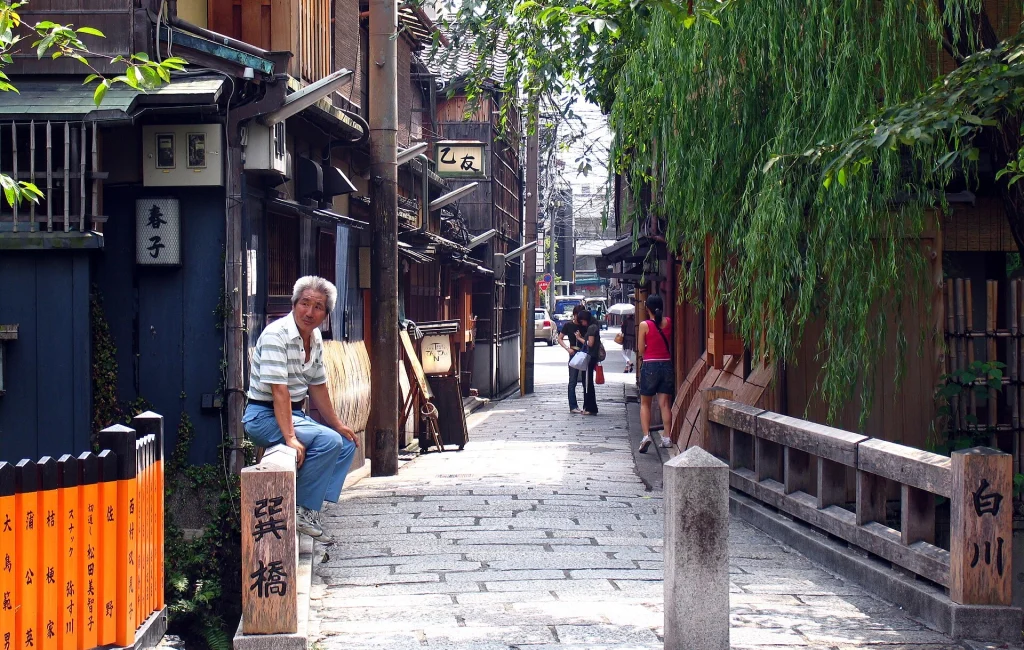
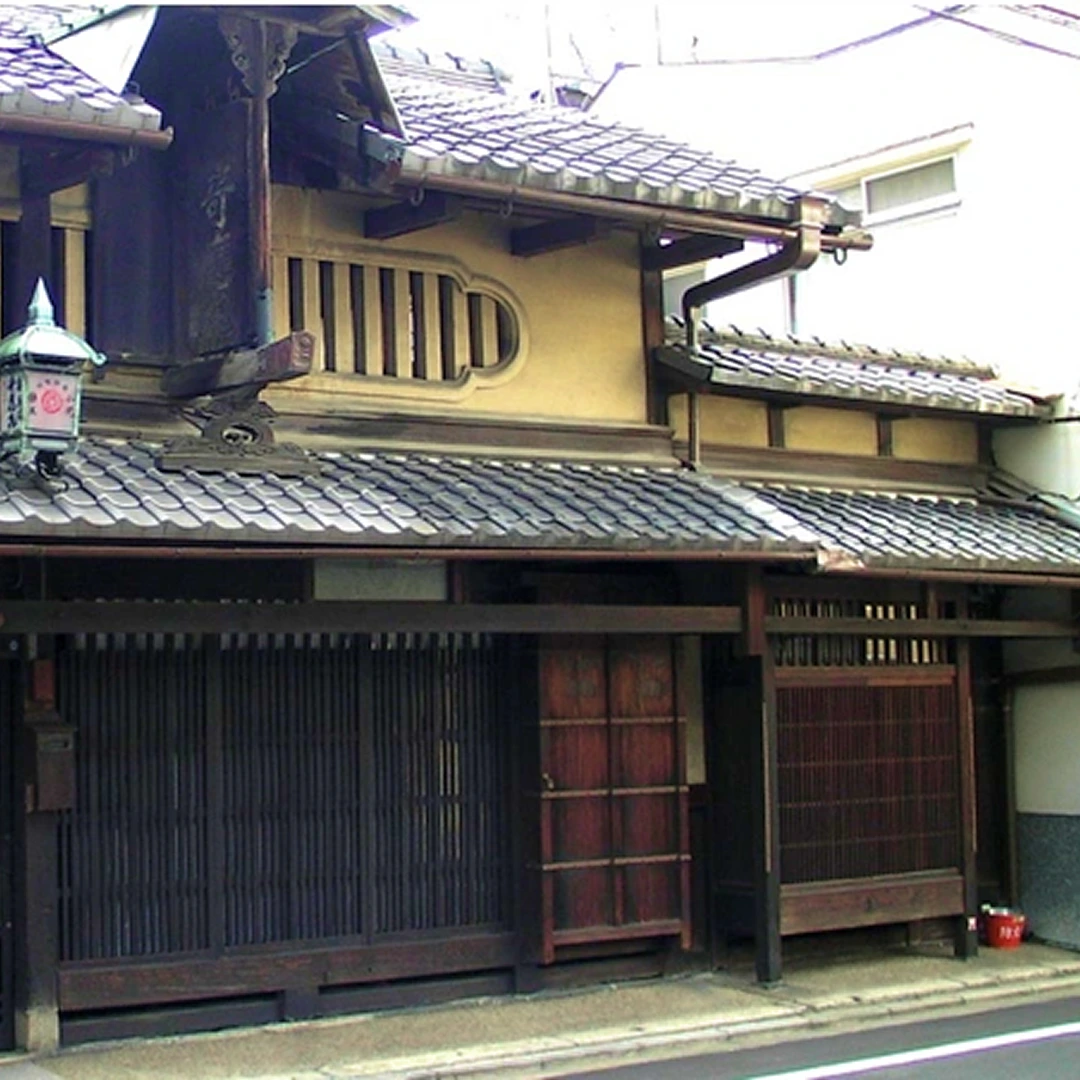
Traditional machiya townhouses on a quiet Kyoto street with wooden facades and noren curtains.

Kyoto Beyond Temples: A Cultural Travel Guide to Tea Houses, Etiquette, Craft, and Quiet Urban Culture

Explore Kyoto beyond temples through tea houses, etiquette, craft streets, machiya culture, Gion manners, responsible travel, and a 3-day itinerary.

Direct Answer: How Do You Experience Kyoto Culturally and Respectfully?

The best way to experience Kyoto culturally is to move beyond temple checklists and practice quiet attention: join a thoughtful tea ceremony, walk machiya streets without blocking residents, learn basic Gion etiquette, support local craft shops, avoid peak crowds where possible, and treat Kyoto as a living city rather than a heritage stage.

Kyoto Machiya Street
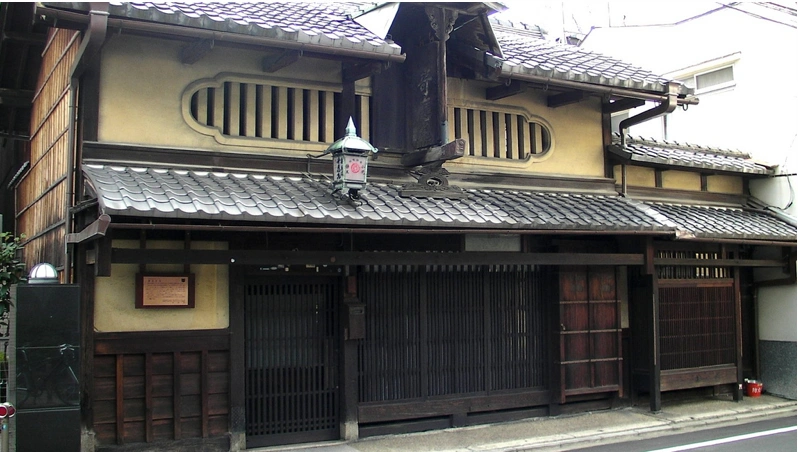
Traditional machiya townhouses on a quiet Kyoto street with wooden facades and noren curtains.

Why Kyoto Belongs on Travelling Travel

Kyoto is one of the world’s most desired cultural cities, but desire can flatten a place. Too often, visitors arrive with a list: Kinkaku-ji, Fushimi Inari, Arashiyama, Gion, photos, exit. Kyoto deserves a slower kind of attention.

This article approaches Kyoto through behavior, not only beauty. The city teaches culture through timing, restraint, seasonal awareness, craft, food presentation, doorway etiquette, silence, and the way public and private life sit close together. For Travelling Travel, Kyoto is a perfect East Asia pillar because it asks travellers to understand how their presence affects local life.

Cultural Context: Ancient Capital, Living City

UNESCO’s Historic Monuments of Ancient Kyoto include seventeen component parts across Kyoto, Uji, and Otsu, and the city served as Japan’s cultural centre after being founded in A.D. 794. That deep heritage matters, but Kyoto is not only a museum of temples.

The city also faces the pressure of its own popularity. Kyoto’s official tourism manners guidance asks visitors to consider local communities and help keep cultural and environmental heritage sustainable. In Gion, official guidance is even more direct: do not stop, touch, follow, or take unauthorized photos of geiko or maiko. These are not mascot characters; they are working cultural practitioners moving through their neighborhood.

Tea Houses, Craft, and Local Mindset

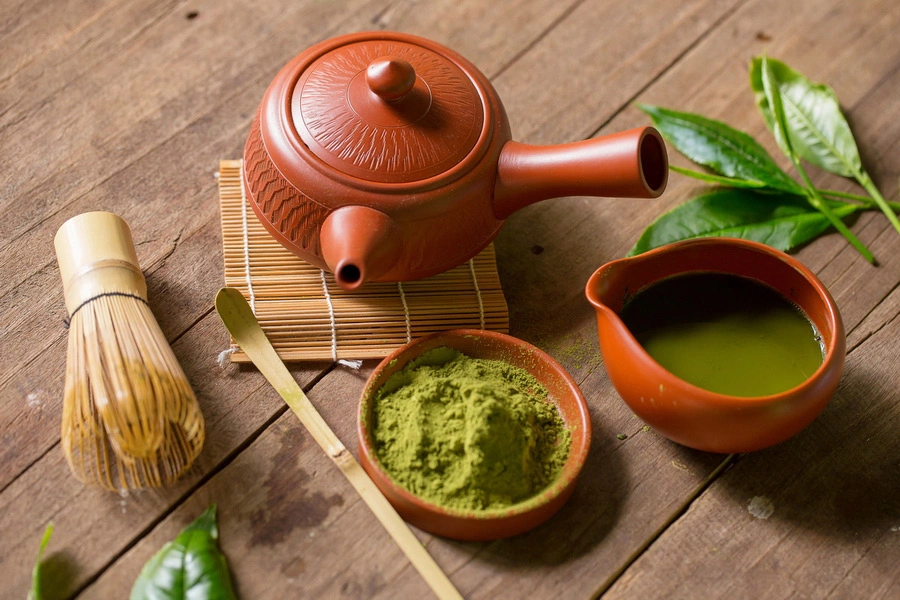
A tea ceremony can help travellers understand Kyoto better than another rushed photo stop. In a tea room, small actions carry meaning: how the bowl is received, how the room is entered, how silence is held. The point is not to perform perfect Japaneseness. It is to notice care.

Craft works the same way. Kyoto’s textiles, ceramics, lacquer, incense, sweets, paper, and bamboo objects carry generations of skill. When you buy from a small maker or workshop, ask questions gently. Where was it made? What material is used? What season or tradition does it connect to?

ExperienceWhat It RevealsHow to Do It Respectfully
Tea ceremonyAttention, seasonality, gesture, hospitalityArrive on time, follow instructions, keep phone use minimal
Craft shopMaterials, lineage, local economyAsk before photographing and avoid aggressive bargaining
WagashiSeasonal design and restraintTry with tea and ask what the shape represents
Machiya stayPrivate architecture and neighborhood lifeKeep noise low and respect nearby residents

Kyoto Tea Ceremony

Tea ceremony in Kyoto with matcha bowl, tatami room, and careful gestures.

Gion, Machiya Streets, and Etiquette

Gion is often described as Kyoto’s geisha district, but that phrase can make travellers forget it is also a working neighborhood. Some lanes are private. Some doors lead to homes, teahouses, offices, restaurants, and cultural workplaces. A respectful visitor walks without chasing, touching, blocking, or zooming in on people who have not consented.

Kyoto’s quiet urban culture is not silent because it lacks life. It is quiet because many forms of life here value boundaries. A noren curtain, a closed sliding door, a small garden glimpsed through a gate, or a narrow alley may be beautiful because it is not fully available to you.

A Meaningful 3-Day Kyoto Experience Flow

Day 1: Gion, Higashiyama, and Manners First

Begin with a walk through Higashiyama and public streets of Gion. Visit one major temple if you wish, but spend equal time observing shopfronts, lanes, and how people move. Read local etiquette signs rather than treating them as decoration.

Day 2: Tea, Craft, and Downtown Kyoto

Join a tea ceremony or craft workshop, then explore Nishiki Market and nearby craft shops. Eat lightly, ask before photographing, and support small businesses without treating every purchase as a bargain contest.

Day 3: Quieter Kyoto

Choose a less crowded temple, garden, or neighborhood. Consider Uji for tea culture or northern Kyoto for slower walking. The point is not to escape all tourists, but to travel with less pressure on the most congested places.

Hoan Kiem Lake Morning Life

Traditional street in Gion Kyoto with wooden buildings and lanterns.

Best Time, Budget, and Practical Planning

Spring and autumn are beautiful but crowded. Winter and early summer can be calmer if you plan around weather. Book accommodation early and expect higher prices during peak foliage and cherry blossom periods. Use buses, trains, walking, and taxis thoughtfully; crowded buses are a major local frustration.

Planning PointRecommendation
Best seasonSpring and autumn for scenery; winter for quieter cultural travel
Ideal duration3 days for tea, craft, Gion manners, markets, and quieter neighborhoods
Best baseDowntown Kyoto for transport; Higashiyama for atmosphere; northern areas for calm
Budget styleBalance simple meals, one paid cultural experience, and public transport

Responsible Travel in Kyoto

  • Do not photograph geiko, maiko, residents, or private interiors without permission.
  • Do not enter private lanes or properties, even if they look photogenic.
  • Use quieter routes and off-peak hours when visiting popular districts.
  • Keep voices low near homes, ryokan, temples, and evening lanes.
  • Support local crafts and guided experiences that explain etiquette and context.

FAQs About Visiting Kyoto

Kyoto is famous for temples, shrines, gardens, tea ceremony, machiya houses, craft traditions, seasonal food, geiko and maiko culture, and refined hospitality.

Do not stop, follow, touch, or take unauthorized photos of geiko or maiko. Attend an official performance or cultural venue if you want a respectful experience.

Popular areas can be crowded, especially in spring and autumn. Travel early, choose quieter neighborhoods, and avoid blocking streets or public transport.

Final Takeaway

Kyoto belongs on Travelling Travel because it teaches that culture is not only something you see. It is something you practice through restraint, timing, listening, and care. Beyond temples, Kyoto’s deepest lesson may be this: a respectful traveller leaves room for local life to continue.

Leave a Reply

Your email address will not be published. Required fields are marked *