Direct Answer: How Do You Experience Mexico City Culturally?
The best way to experience Mexico City culturally is to move beyond museums and spend time in markets, street food stalls, mural spaces, neighborhood plazas, historic streets, and Xochimilco’s water landscape. Balance Centro Histórico with Roma, Condesa, Coyoacán, San Rafael, local markets, taco stands, public art, and responsible movement through crowded urban life.
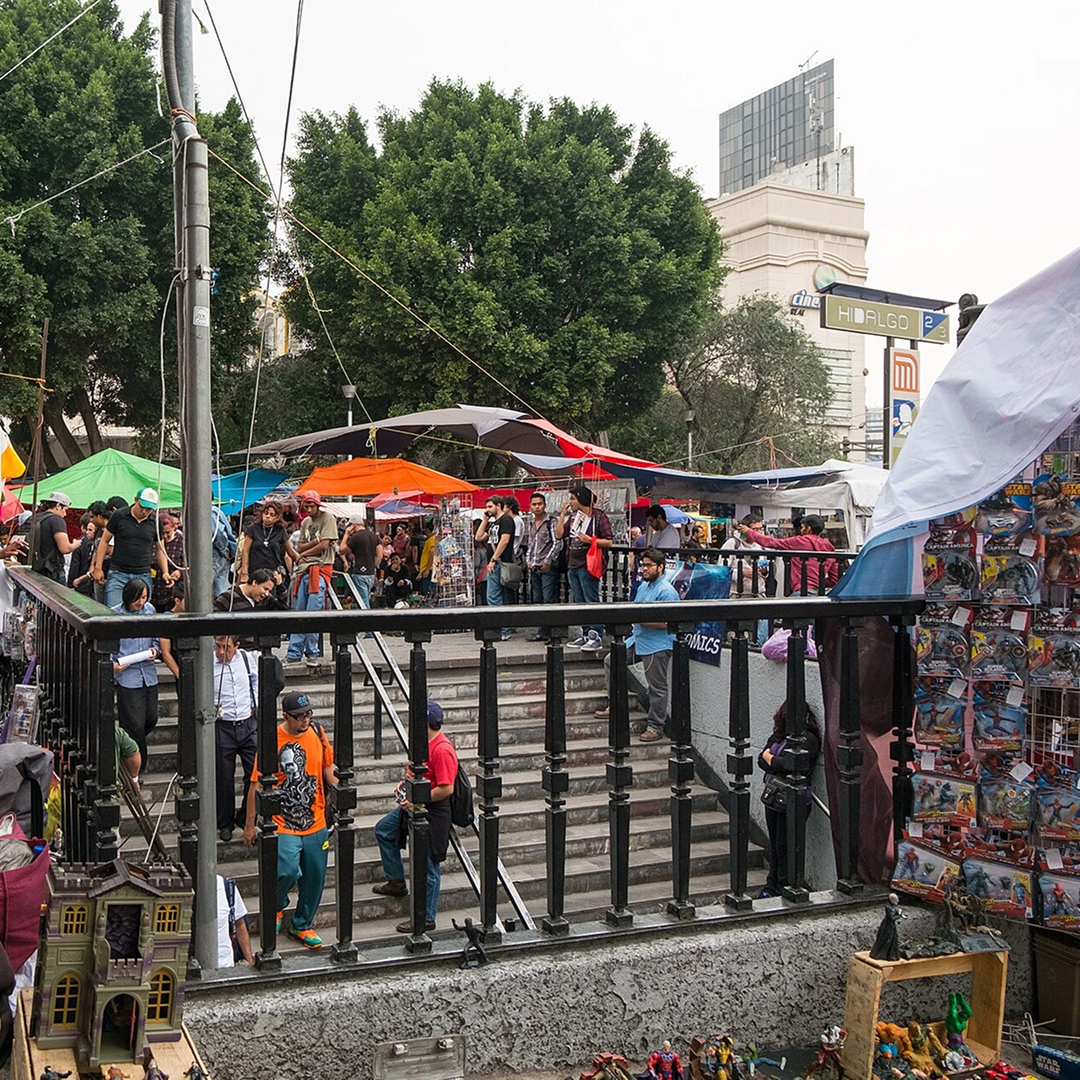
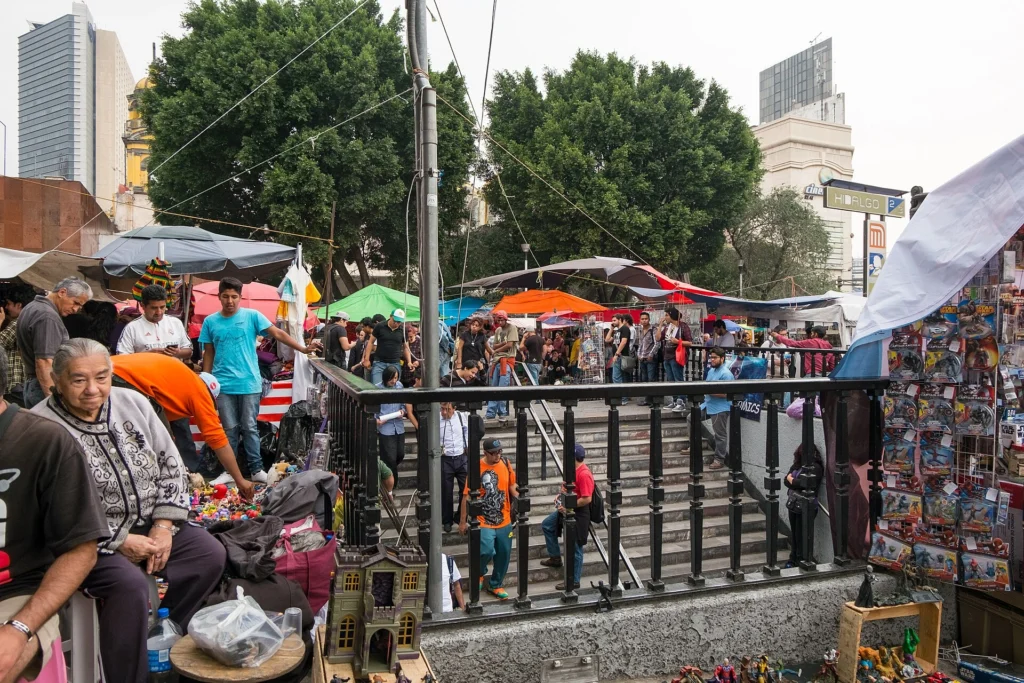
Mexico City Market Scene
Why Mexico City Belongs on Travelling Travel
Mexico City gives Travelling Travel its first major Latin America pillar. It is globally searched, culturally dense, and different from the existing library of sacred India, tea-country Assam, Kolkata creativity, Marrakech medina life, Lisbon fado, Hanoi street rhythm, and Kyoto etiquette.
The city is often introduced through museums, and they matter. But Mexico City is also understood through tacos al pastor at night, murals in public buildings, mercados with mole pastes and pyramids of fruit, old plazas, metro rides, and the quiet shift between one neighborhood and the next.
Its current relevance is strong. Mexico City is in the global spotlight during the 2026 FIFA World Cup, while travel coverage continues to point to its food, design, and cultural scenes. For Travelling Travel, the opportunity is to write a guide that is useful before, during, and long after that seasonal attention.
Cultural Context and City Evolution
UNESCO’s World Heritage listing for the Historic Centre of Mexico City and Xochimilco describes a city built in the 16th century by the Spanish on the ruins of Tenochtitlan, the old Aztec capital. That layered origin still shapes how Mexico City feels: Indigenous memory, colonial architecture, modern public life, and contemporary creativity occupy the same urban ground.
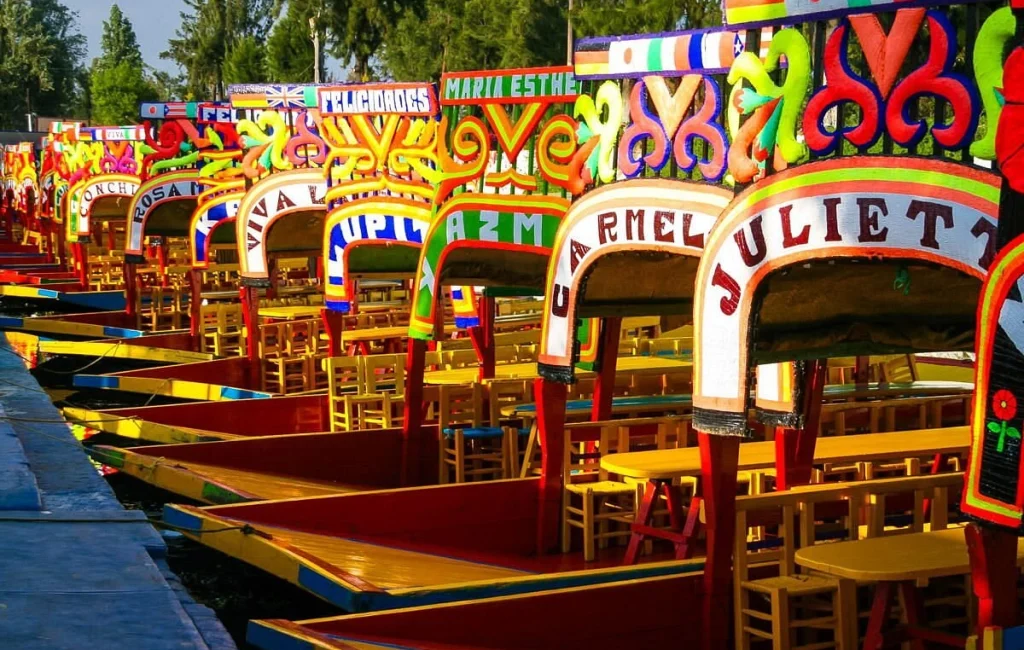
Xochimilco adds another layer. Its canals and chinampa agricultural landscape remind travellers that the city was once deeply connected to water, farming, and engineered lake life. Visiting only museums misses this larger story of land, water, food, and survival.
Mexico City is also recognized by UNESCO’s Creative Cities Network as a design city, reflecting its role as a centre of creativity, innovation, and urban culture. That makes the city ideal for a cultural guide that connects past and present rather than treating heritage as something frozen.
Markets, Street Food, and Local Economy
Markets are not side attractions in Mexico City. They are food systems, social spaces, and neighborhood anchors. A mercado teaches you what people cook, how vendors build trust, how regional ingredients travel into the capital, and how daily life remains local inside a huge metropolis.
Street food is just as important. Tacos, tamales, tlacoyos, quesadillas, tortas, elotes, atole, and fresh juices reveal timing, neighborhood habits, and working-day rhythm. The best food experience is not to chase one viral stall, but to understand how a stand fits into its block.
| Food / Place | What It Reveals | How to Try It |
|---|---|---|
| Tacos al pastor | Migration, adaptation, late-night city life | Order simply; watch how locals add salsa |
| Tamales and atole | Morning routine, corn culture, portable breakfast | Best early from busy vendors |
| Mercado stalls | Ingredient knowledge and local relationships | Ask before photographing; buy something small |
| Churros or pan dulce | Sweet pauses and café culture | Pair with coffee or hot chocolate |
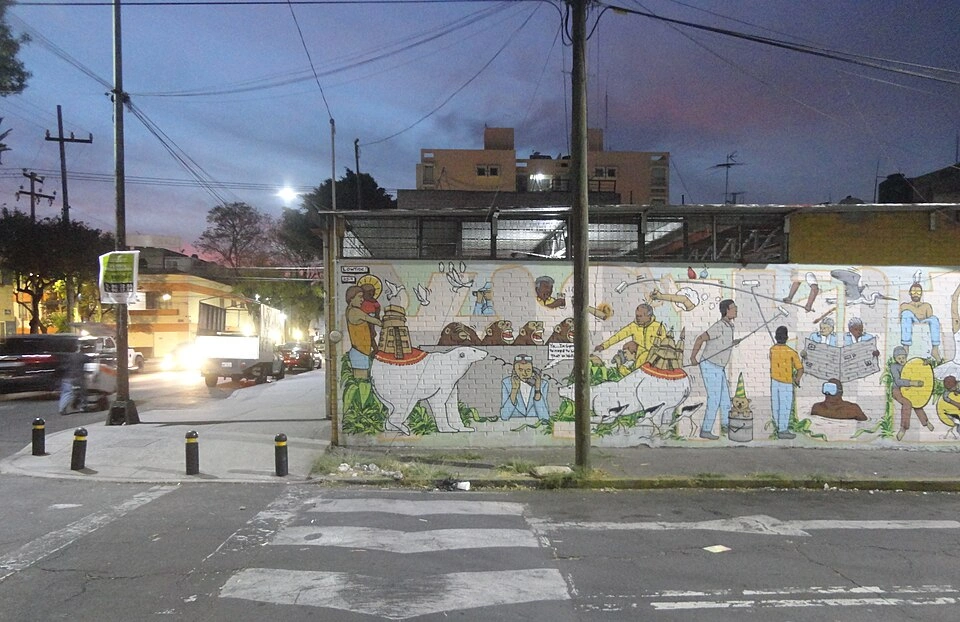
Mexico City Mural or Public Art
Murals, Neighborhoods, and Public Memory
Mexico City’s mural tradition makes public space feel like an archive. Murals are not only decoration; they are arguments about history, labour, revolution, identity, injustice, and belonging. They help travellers understand why culture here is often public, political, and collective.
Neighborhoods give the city its human scale. Centro Histórico carries weight: ruins, churches, plazas, government buildings, and crowds. Roma and Condesa show cafés, design, parks, and changing urban lifestyles. Coyoacán feels slower, with plazas, food, color, and artistic memory. San Rafael and Santa María la Ribera offer architecture and local texture beyond the most repeated routes.
The cultural traveller should not try to “finish” Mexico City. The city is too large and too layered. Choose fewer neighborhoods and spend more time noticing how they differ.
A Meaningful 3-Day Mexico City Cultural Itinerary
Day 1: Centro Histórico, Murals, and Street Food
Start around the Zócalo, Templo Mayor area, and public buildings with murals where access is open. Eat nearby, but avoid rushing. Let the historic centre feel crowded, layered, and alive.
Day 2: Markets, Roma, Condesa, and Local Eating
Visit a market in the morning, then walk Roma or Condesa slowly. Use the day to compare old market rhythm with modern cafés, bookstores, parks, and restaurants.
Day 3: Coyoacán or Xochimilco
Choose Coyoacán for plazas, food, and slower neighborhood life, or Xochimilco for canals and chinampa memory. If visiting Xochimilco, choose responsible operators and avoid turning the canals into a loud party scene.
Xochimilco Canals
Best Time, Budget, and Travel Tips
Spring and autumn are generally comfortable for walking. Rainy season can bring afternoon showers, so start early and keep plans flexible. Mexico City sits at high elevation, so give yourself time to adjust, hydrate, and avoid overpacking the first day.
| Planning Point | Recommendation |
|---|---|
| Ideal duration | 3 days for a strong cultural introduction; 5 days for slower neighborhoods |
| Best base | Roma, Condesa, Centro Histórico, Juárez, or Coyoacán depending on style |
| Transport | Walk short distances, use Metro/Metrobus where comfortable, and rideshare at night |
| Budget style | Street food and markets are affordable; save for guided walks or special meals |
| Safety note | Use normal big-city awareness: watch belongings, avoid flashy items, and plan late transport |
Responsible Travel in Mexico City
- Ask before photographing vendors, families, or close-up market scenes.
- Support small taquerías, mercados, bakeries, and neighborhood businesses.
- Do not treat residential streets in Roma, Condesa, Coyoacán, or San Rafael as photo studios.
- Use public transport respectfully and avoid blocking station flows or sidewalks.
- In Xochimilco, choose quieter, responsible canal experiences and avoid littering or excessive noise.
FAQs About Visiting Mexico City
How many days are enough for Mexico City?
Three days are enough for a focused cultural introduction, but five days is better if you want markets, murals, Coyoacán, Xochimilco, and slower neighborhood walks.
What is Mexico City famous for culturally?
Mexico City is famous for its historic centre, Indigenous and colonial layers, murals, street food, markets, museums, neighborhoods, parks, and creative design culture.
What food should I try in Mexico City?
Try tacos al pastor, tamales, tlacoyos, quesadillas, tortas, elotes, atole, churros, pan dulce, and market juices.
Is Mexico City good for cultural travellers?
Yes. It is one of the world’s strongest cultural cities because everyday life, food, public art, history, design, and neighborhood identity are all visible at street level.
Final Takeaway
Mexico City belongs on Travelling Travel because it proves that culture is not only housed inside museums. It is also in markets, murals, salsas, plazas, canals, morning vendors, public walls, and neighborhoods that keep rewriting the city every day.