Hanoi Beyond the Old Quarter: A Cultural Travel Guide to Coffee, Street Food, Lakes, and Vietnam’s Everyday Rhythm

Hanoi Beyond the Old Quarter: A Cultural Travel Guide to Coffee, Street Food, Lakes, and Vietnam’s Everyday Rhythm

Explore Hanoi beyond the Old Quarter through coffee, street food, Hoan Kiem Lake, local rhythm, responsible travel, and a 3-day cultural itinerary.

Direct Answer: What Is the Best Way to Experience Hanoi Culturally?

The best way to experience Hanoi culturally is to slow down at street level: eat breakfast phở, drink Vietnamese coffee, walk the Old Quarter by craft streets, watch Hoan Kiem Lake in the morning, cross roads calmly, and treat vendors, sidewalks, and homes as part of a living city rather than a tourist set.

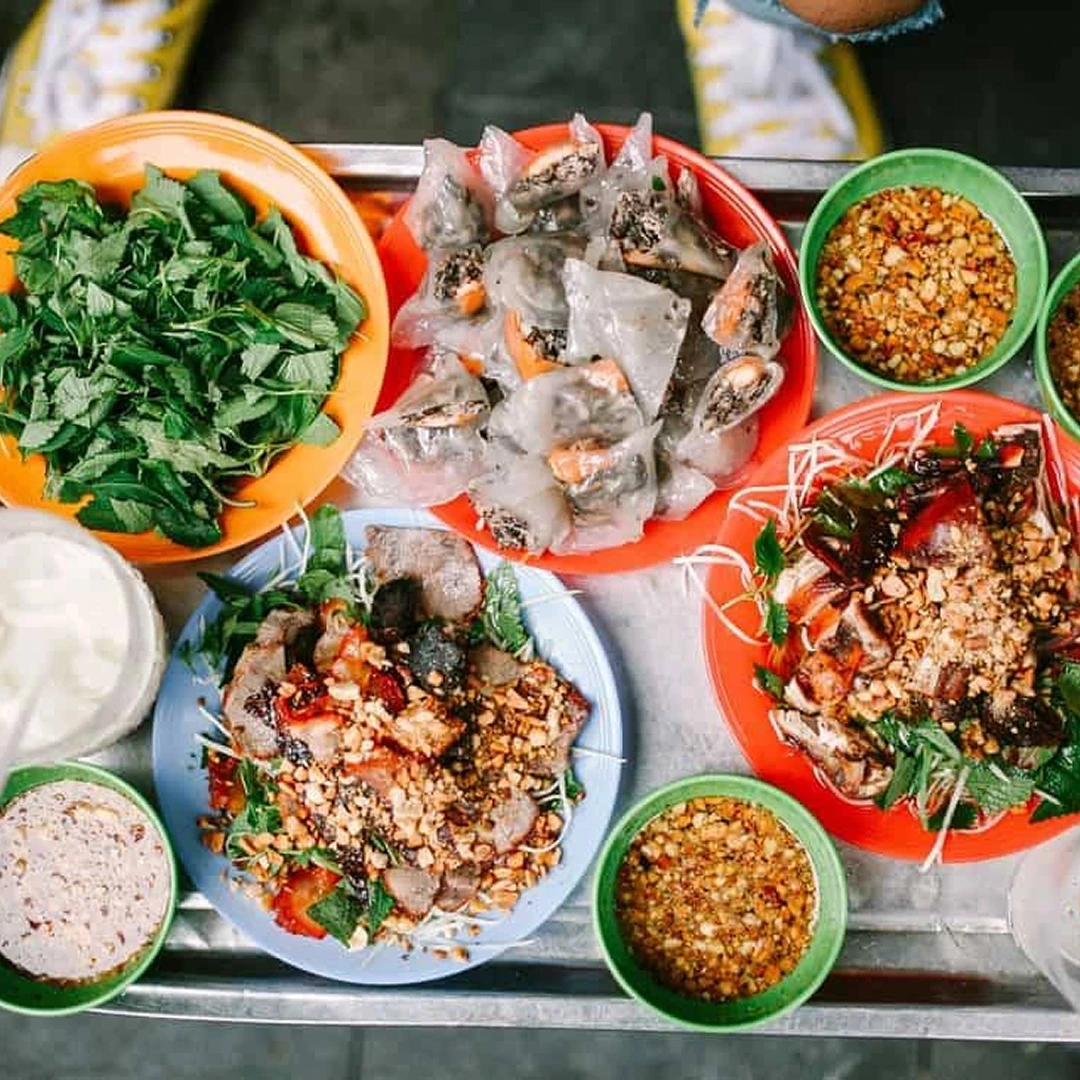
Old Quarter Street Food Scene
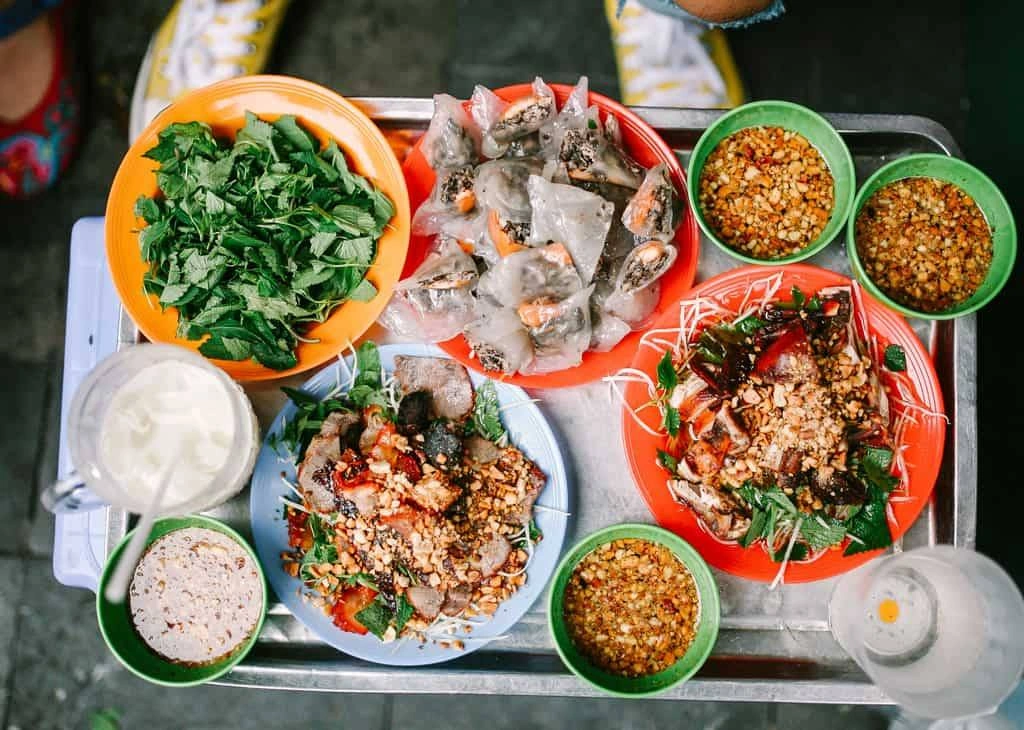
Street food vendors and diners sitting on small stools in Hanoi Old Quarter.

Why Hanoi Belongs on Travelling Travel

After India, Morocco, and Portugal, Hanoi gives Travelling Travel a new Southeast Asian pillar. It is culturally rich without needing grand spectacle. The city’s strongest stories often happen in ordinary places: a breakfast stall, a lake bench, a narrow shopfront, a coffee room above traffic, or a sidewalk where families eat close enough to hear each other laugh.

Official Vietnam tourism describes Hanoi as Vietnam’s capital founded over 1,000 years ago, with Old Quarter streets dating back to the 14th century and a modern city now shaped by cafés, restaurants, and galleries. UNESCO also recognizes Hanoi as a Creative City of Design, which supports the idea that the city is not only historic but still creatively evolving.

Cultural Context: The City at Street Level

Hanoi’s Old Quarter is often marketed as a maze, but culturally it is better understood as a working memory of trade. Many streets still carry “Hàng” names linked with the goods once sold there. Shops, scooters, kitchens, temples, cafés, and homes sit close together, so travel here is less about separation and more about overlap.

The local mindset is practical and social. People eat quickly but not carelessly. Coffee can be slow even when traffic is fast. The lake becomes a morning living room. The street is not just a road; it is also a kitchen, shopfront, delivery route, conversation space, and family threshold.

Street Food, Coffee, and Vietnamese Everyday Rhythm

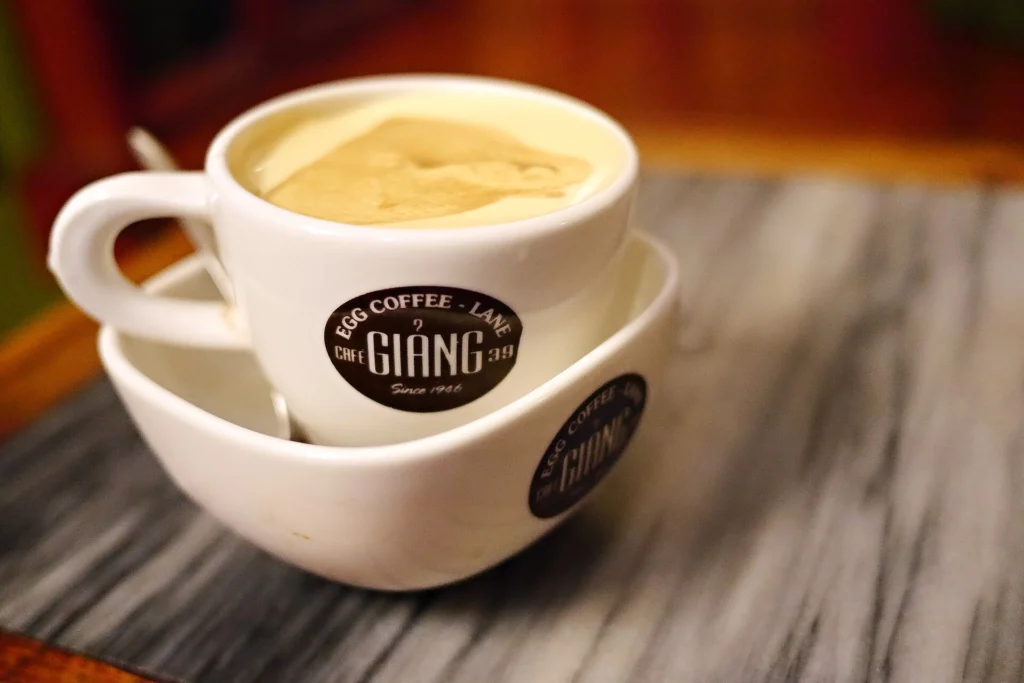
Hanoi is one of the best cities in Asia for understanding culture through food. Start with phở at breakfast, not as a checklist dish but as a daily ritual of broth, herbs, noodles, and timing. Try bún chả for charcoal smoke and balance; bánh cuốn for softness and skill; xôi for sticky-rice comfort; and egg coffee for Hanoi’s creative café culture.

Food here teaches attention. Watch how herbs are added, how stools are arranged, how bowls move quickly, and how regular customers are recognized. If you join a street food tour, choose one that explains ingredients and etiquette rather than only moving you from stall to stall.

Food / DrinkWhat It RevealsHow to Try It
PhởMorning rhythm, broth patience, everyday comfortEat early and observe how locals season their bowl
Bún chảCharcoal cooking, herbs, sweet-sour balanceOrder at lunch when grills are active
Egg coffeeCafé creativity and local adaptationDrink slowly in an old café near Hoan Kiem
Bánh cuốnTexture, steam, skill, and breakfast cultureTry where rice sheets are made fresh

Vietnamese Egg Coffee in Hanoi

Lakes, Streets, and City Evolution

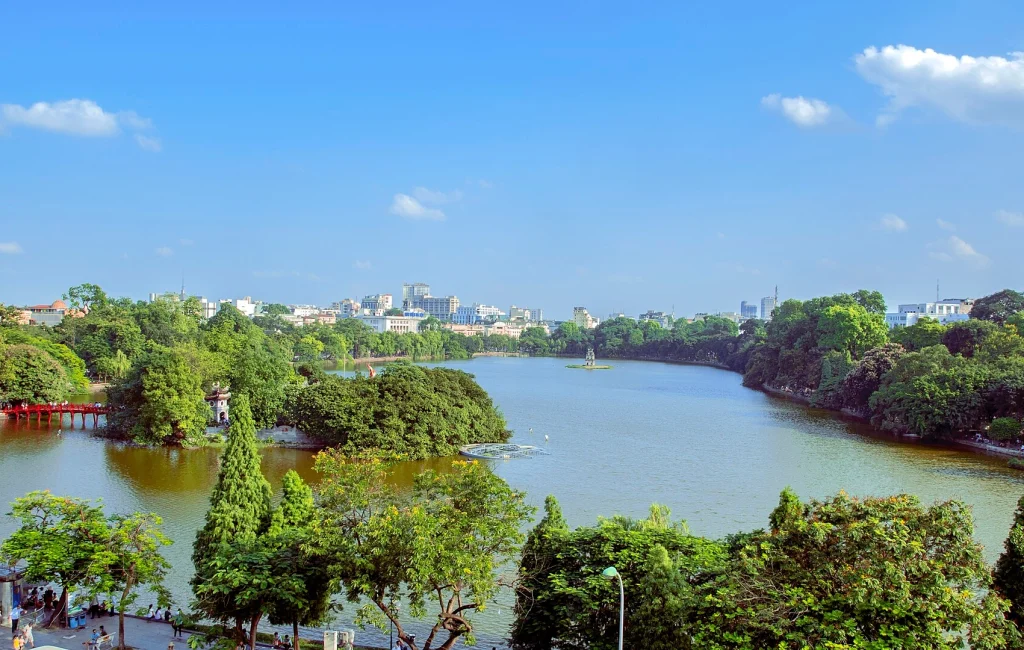
Hoan Kiem Lake is where Hanoi softens. Early morning is especially revealing: walkers, exercise groups, older residents, young couples, vendors, and office workers share public space before the city becomes louder. The lake is not only scenic; it is a civic habit.

For history, combine the Old Quarter with the French Quarter, the Temple of Literature, and one museum. But do not overfill the day. Hanoi’s evolution is easier to feel when you leave room for pauses: a café window, a lake loop, a slow crossing, a conversation with a vendor, or a quiet minute before entering another food street.

A Meaningful 3-Day Hanoi Experience Flow

Day 1: Old Quarter and Hoan Kiem Lake

Start with phở, walk the Old Quarter by craft streets, pause at Hoan Kiem Lake, and end with egg coffee. Keep the first day close and sensory.

Day 2: Food, Coffee, and French Quarter Layers

Try bánh cuốn or xôi for breakfast, visit the French Quarter or Temple of Literature, then eat bún chả for lunch. Use the afternoon for cafés and galleries rather than rushing.

Day 3: Lakeside Rhythm and Local Extensions

Add West Lake, a slower food walk, or a craft village such as Bat Trang if time allows. Keep evenings flexible for markets, coffee, or a simple street dinner.

Trip LengthBest FocusWho It Suits
1 dayOld Quarter, phở, Hoan Kiem, egg coffeeTransit visitors
2 daysAdd French Quarter, bún chả, cafés, museumsFirst-time travellers
3 daysAdd West Lake, slow food walks, local creative spacesIdeal Travelling Travel reader

Hoan Kiem Lake Morning Life

download - 2026-06-24T134826.621

Best Time, Budget, and Practical Planning

Spring and autumn are generally the most comfortable seasons for walking Hanoi. Summer can be hot and humid; winter can be cool and misty. Stay in or near the Old Quarter for first-time convenience, or around West Lake if you want a calmer base.

Planning PointRecommendation
Best seasonSpring and autumn for walking and food exploration
Best baseOld Quarter for access; West Lake for calm
TransportWalk short distances, use Grab/taxis for longer routes
Budget styleStreet food and cafés keep Hanoi affordable; guided food walks add value

Responsible Travel in Hanoi

  • Ask before photographing vendors closely, especially while they are working.
  • Do not block sidewalks; they are working spaces, dining rooms, and parking areas.
  • Eat where food moves quickly and pay fairly without aggressive bargaining.
  • Cross roads calmly and predictably; sudden movement is more dangerous than slow confidence.
  • Be careful with Train Street-style attractions where safety rules or access restrictions apply.

FAQs About Visiting Hanoi

Hanoi is famous for the Old Quarter, street food, Vietnamese coffee, Hoan Kiem Lake, craft streets, French-colonial layers, temples, museums, and everyday sidewalk culture.

Try phở, bún chả, bánh cuốn, xôi, bánh mì, chè, and egg coffee. Eat slowly and notice how locals season, sit, and order.

Yes. Hanoi is excellent for cultural travellers because its daily life is visible through food, coffee, lakes, old streets, shops, traffic, and public routines.

Final Takeaway

Hanoi belongs on Travelling Travel because it proves that culture is not only found in monuments. It is in broth, coffee foam, lake walks, old trade streets, motorbike patience, and the small daily negotiations that make a city feel alive.

Leave a Reply

Your email address will not be published. Required fields are marked *