Dashashwamedh Ghat, Varanasi
Direct Answer: What Is the Best Way to Experience Varanasi?
The best way to experience Varanasi is to slow down and observe its ghats, old lanes, morning rituals, temple culture, street food, local conversations, and the daily relationship between people and the Ganga. Instead of treating the city as a checklist, spend time walking, sitting, listening, eating locally, and learning how faith shapes ordinary life. A meaningful Varanasi trip usually needs at least two to three days.
Why Varanasi Belongs on Travelling Travel
Some places are beautiful because they are polished. Varanasi is powerful because it is layered. It does not separate devotion from commerce, grief from routine, or history from the present. A priest may walk past a student checking his phone. A boatman may discuss the river with the practicality of someone who reads water every morning. A narrow lane may smell of incense, frying kachori, wet stone, and cow dung within the same ten steps.
That is exactly why Varanasi suits Travelling Travel. The city asks a traveller to look beyond monuments and ask better questions: How do people live so close to death and still celebrate life? How does a river become a mother, a route, a workplace, a ritual space, and a tourist attraction at once? How does an ancient city keep changing without losing its emotional grammar?
UNESCO’s tentative listing for Varanasi’s historic riverfront describes the city as one of the world’s most ancient continuously inhabited cities, with cultural value expressed through its riverfront, sacred geography, institutions, mythology, and urban form. For a traveller, this means the ghats are not simply steps beside water. They are the city’s public memory.
The Cultural Context of Varanasi
Varanasi is also called Kashi and Banaras, and each name carries a slightly different emotional tone. Kashi sounds sacred and ancient. Banaras feels intimate, musical, lived-in. Varanasi is the official name most travellers use, but in the lanes and conversations, all three identities overlap.
In Hindu belief, the city is closely associated with Lord Shiva and liberation. This belief has shaped its pilgrimage culture, cremation traditions, temple life, and the way many families travel here with both celebration and solemnity in mind. But Varanasi is not only a religious destination. It is also a city of music, Sanskrit learning, weaving, street food, student life, boat work, small trade, and constant negotiation between old and new India.
To understand Varanasi culturally, avoid looking for one clean explanation. The city is not a museum. It is not a retreat. It is not only spiritual theatre. It is a living urban place where sacred practice and ordinary survival share space.
Travelling Travel Lens
Do not ask only, “What should I see in Varanasi?” Ask, “What is this city teaching me about how people relate to time, death, devotion, food, family, trade, and public space?”
How Varanasi Evolved Around the River
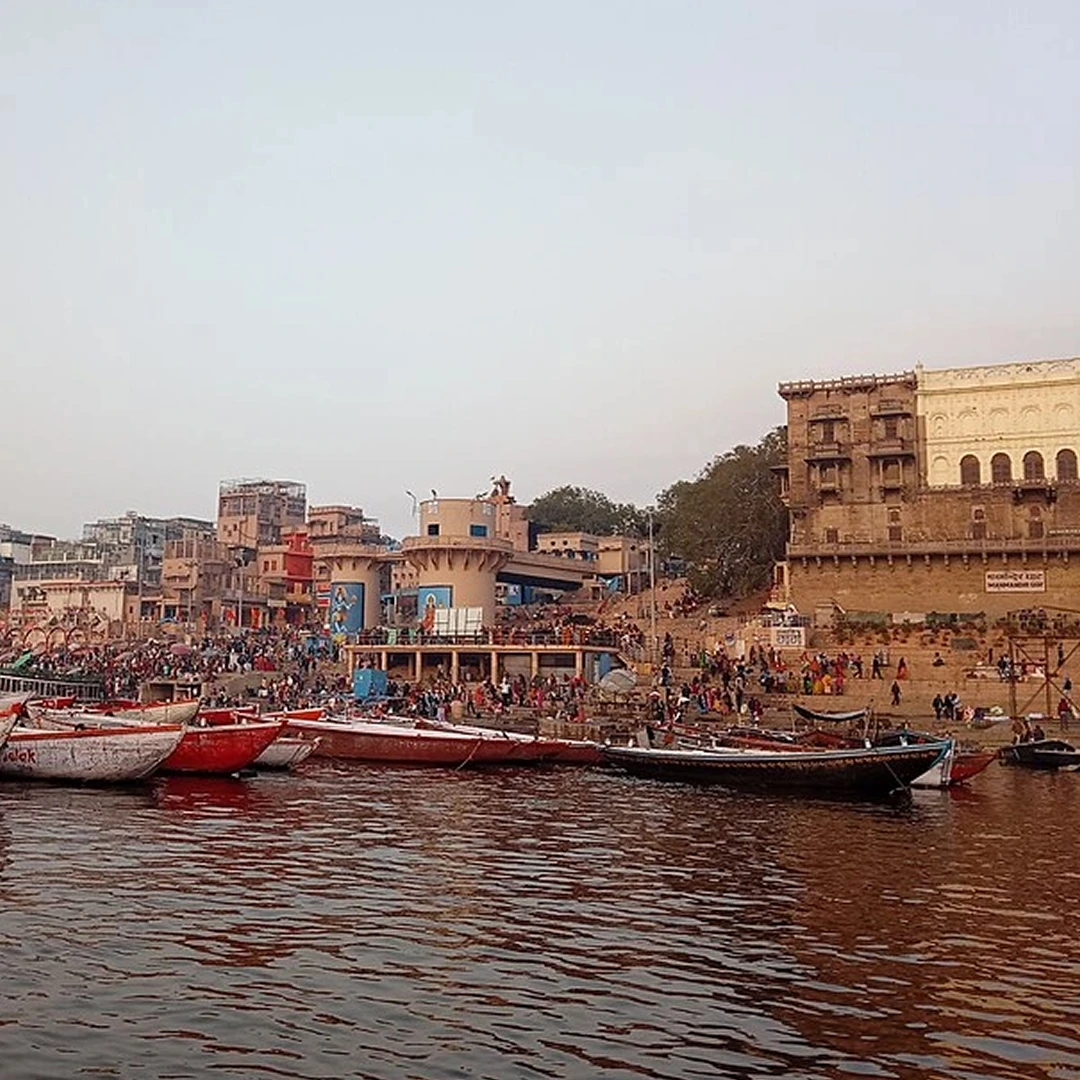
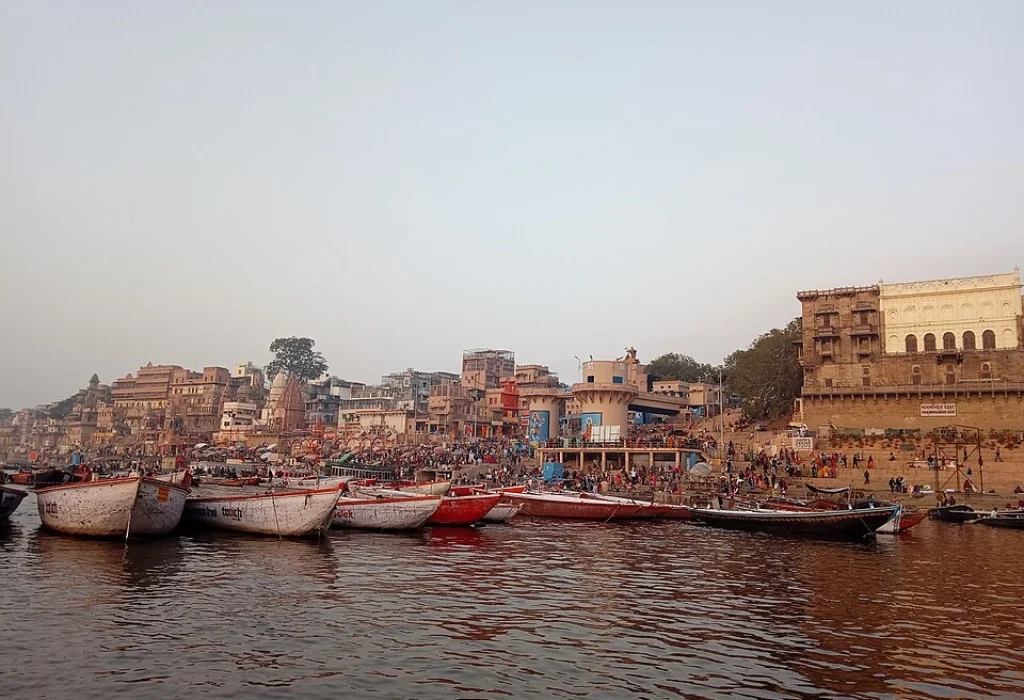
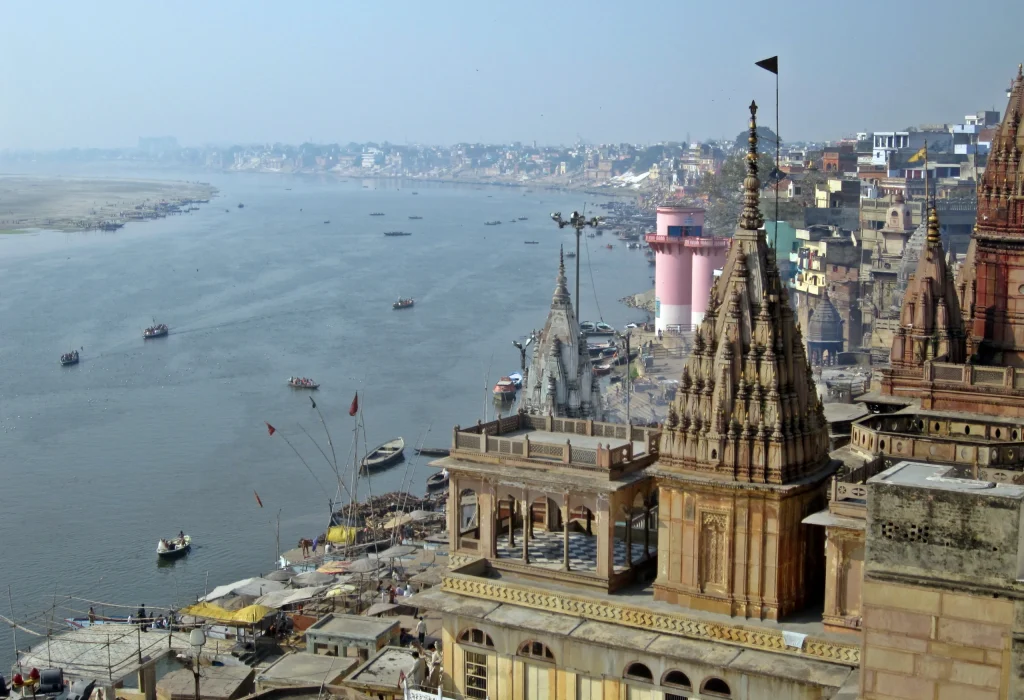
Varanasi grew because of the Ganga, but not only in the simple way river cities usually grow. The river here is transport, geography, sacred presence, ritual stage, and emotional anchor. The old city turns toward the water. Its ghats create a long civic edge where bathing, prayer, conversation, work, tourism, cremation, and photography all happen in visible layers.
The city’s historic riverfront is remarkable because it compresses architecture, religion, commerce, and public life into one continuous scene. Palaces, temples, rest houses, platforms, steps, shrines, boats, tea stalls, pilgrims, pandas, photographers, and local children all occupy the same visual field. This is why a morning boat ride can feel like a moving lesson in urban history.
Modern Varanasi is also changing. The Kashi Vishwanath corridor has altered access around the temple area and increased the flow of pilgrims. Infrastructure improvements, digital services, and crowd-management systems are reshaping how visitors move through the sacred core. Yet the older grammar remains: lanes still slow you down, ghats still pull people toward the river, and the city still works best when approached with patience.
Wide View of Ghats Across the Ganges
People, Mindset, and Daily Rhythm
The first thing to understand about Varanasi is that it does not move at one speed. The river may feel slow at sunrise. The lanes near the temple may feel compressed and urgent. The tea stall may feel conversational. The cremation ghat may feel outside ordinary time. The main road may feel like any growing Indian city: noisy, ambitious, and impatient.
Local life here is shaped by accommodation. People adjust to pilgrims, processions, cattle, tourists, rituals, traffic, weather, and crowds. The city teaches a kind of flexible patience. A shopkeeper may pause business for a passing religious procession. A boatman may plan his work around river level and tourist season. A family may combine pilgrimage with shopping, food, and family memory.
For travellers, the best cultural encounters are often small. A conversation with a chai seller near Assi. Watching a boatman prepare his oars before sunrise. Noticing how locals step aside for a body being carried through the lanes. Seeing how students, sadhus, pilgrims, and vendors share public space without the city needing to explain itself every minute.
Understanding the Ghats Beyond Photos
The ghats are Varanasi’s most photographed places, but they are easy to misunderstand. A ghat is not only a viewpoint. It is a working social space. Some ghats are better for sitting quietly, some for rituals, some for boats, some for bathing, some for cremation, and some for evening gatherings.
| Ghat / Area | What to Observe | Travel Note |
|---|---|---|
| Assi Ghat | Morning rituals, students, cafes, a softer introduction to the river | Good for first-time travellers who want a calmer start |
| Dashashwamedh Ghat | Evening Ganga Aarti, crowd movement, ritual performance | Arrive early and protect your belongings in crowds |
| Manikarnika Ghat | Cremation traditions and the public presence of death | Do not photograph cremations or intrude on mourners |
| Lalita Ghat | Temple access, changing ritual activity, riverfront movement | Useful for understanding newer visitor flows near the temple corridor |
| Scindia and Man Mandir area | Architecture, quieter riverfront details, old structures | Best explored on a slow walk between busier ghats |
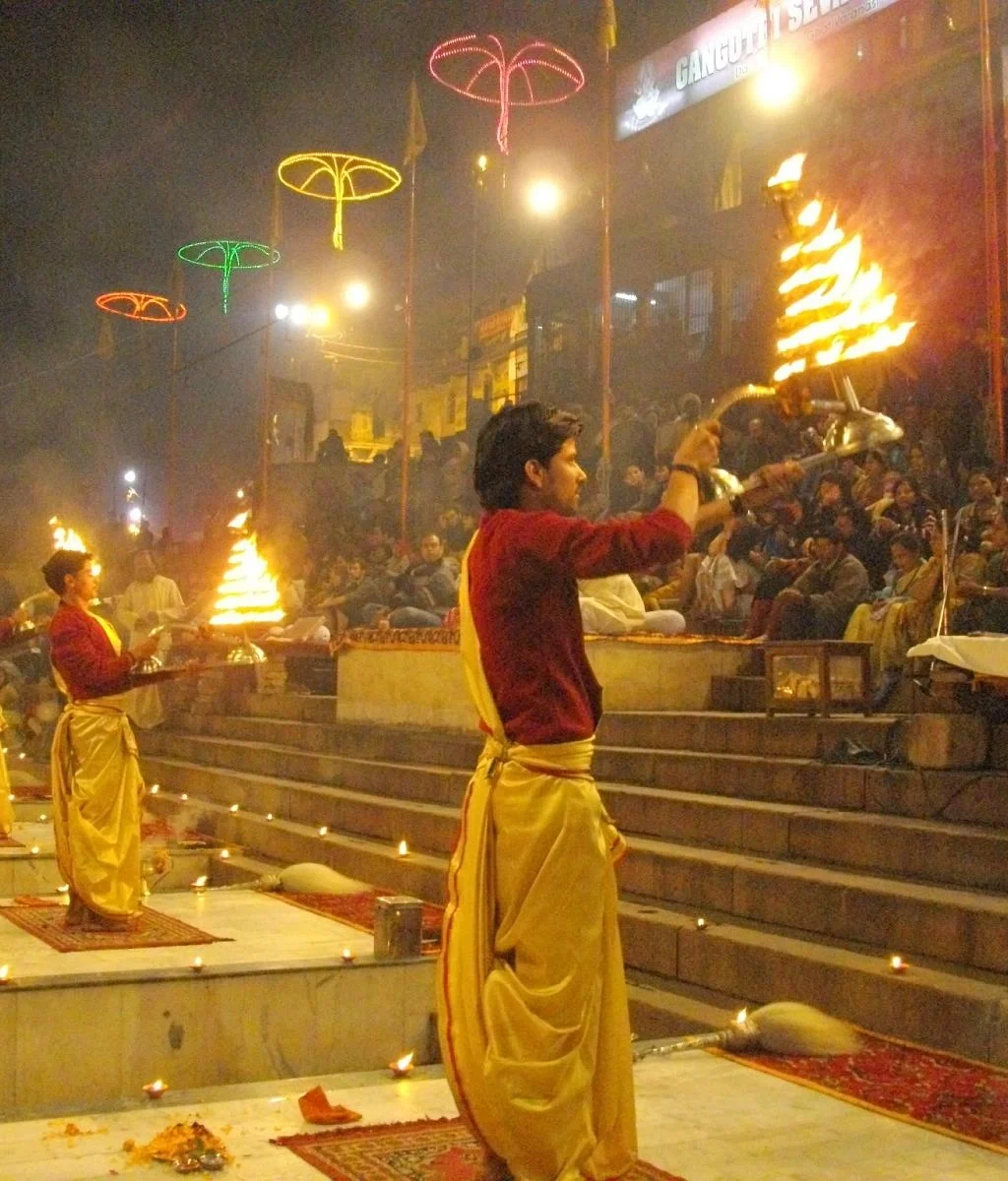
The evening Ganga Aarti is worth seeing, but it should not be treated as a show separated from belief. Watch the choreography, but also watch the crowd: families holding children above shoulders, elders folding hands, photographers adjusting angles, boatmen negotiating space, priests maintaining rhythm, police and volunteers managing flow. The ritual is devotional, civic, and logistical at the same time.
Evening Ganga Aarti at Dashashwamedh Ghat
Food, Lanes, and Local Taste
Food in Varanasi is not only about famous snacks. It is about timing, texture, and public eating culture. Morning means kachori-sabzi, jalebi, chai, and the confident rhythm of shops that have served generations of locals. Winter may bring malaiyo, the delicate milk foam dessert associated with the cold season. Paan is not simply a tourist purchase; it is part of Banarasi identity, hospitality, and after-meal ritual.
The old lanes make food feel discovered rather than scheduled. But eat with awareness. Choose busy places where food turns over quickly. Carry cash. Ask before photographing vendors closely. And remember that not every famous shop needs to become a social media performance.
| Local Food Experience | Why It Matters Culturally | Best Time |
|---|---|---|
| Kachori-sabzi and jalebi | Shows the city’s hearty public breakfast culture | Early morning |
| Banarasi paan | Part of local hospitality, taste, and identity | After lunch or dinner |
| Malaiyo | Seasonal winter delicacy tied to weather and technique | Winter mornings |
| Lassi and thandai | Cooling, social, and deeply associated with North Indian street culture | Daytime |
| Chai near the ghats | Best setting for observing conversations and daily routines | Sunrise or evening |
A Meaningful 2–3 Day Experience Flow
This is not a rushed itinerary. It is a cultural flow designed for travellers who want to understand Varanasi without exhausting themselves or treating the sacred city like a checklist.
Day 1: Arrive, Walk Slowly, Watch the River
Arrive and settle near Assi, Godowlia, or a river-facing area depending on your budget and comfort with crowds. In the late afternoon, walk toward the ghats without trying to “cover” everything. Let the first evening be observational. Attend the Ganga Aarti at Dashashwamedh Ghat, but arrive early and stand respectfully. After the ritual, eat simply and avoid forcing too much into the first night.
Day 2: Sunrise Boat Ride, Old Lanes, Food, and Temple Context
Start before sunrise with a boat ride. This is when Varanasi feels most readable: bathers arrive, birds cross the river, priests prepare, laundry begins, and the city appears slowly through light. Later, walk through the old lanes around Vishwanath Gali and the temple area. Even if you do not enter every shrine, observe how space, sound, and devotion shape movement.
Use the afternoon for rest. Varanasi can overwhelm the senses. In the evening, explore food lanes or sit at a quieter ghat instead of repeating the busiest experience.
Day 3: Sarnath, Weaving, or a Deeper Neighborhood Walk
If you have a third day, visit Sarnath, where Buddhist history adds another layer to the region’s spiritual geography. Another option is to learn about Banarasi silk weaving and the communities connected to it. This helps widen your understanding beyond the ghats and shows Varanasi as a place of craft, labour, and economy.
| Traveller Type | Suggested Focus | Recommended Stay |
|---|---|---|
| First-time visitor | Ghats, Aarti, old lanes, local food | 2 days |
| Culture-focused traveller | Rituals, conversations, Sarnath, weaving, food walks | 3–4 days |
| Photographer | Sunrise, architecture, boats, markets, ethical street photography | 3 days |
| Pilgrim | Temple visits, aartis, rituals, family religious schedule | Depends on rituals planned |
Practical Travel Planning for Varanasi
Best Time to Visit
The most comfortable time to visit Varanasi is generally from October to March, when cooler weather makes walking, boat rides, and ghat exploration easier. Summer can be extremely hot, and the monsoon can affect river levels and boat activity. Festival periods can be culturally rich but crowded, so plan accommodation and temple visits early.
How to Reach and Move Around
Varanasi is connected by rail, road, and air. Lal Bahadur Shastri International Airport serves the city, while Varanasi Junction and nearby railway stations connect it with major Indian cities. Inside the old city, walking is often the most meaningful way to explore, but auto-rickshaws, cycle rickshaws, app cabs, and boats are useful depending on distance and crowd restrictions.
How to Reach Majuli from Jorhat
Varanasi is connected by rail, road, and air. Lal Bahadur Shastri International Airport serves the city, while Varanasi Junction and nearby railway stations connect it with major Indian cities. Inside the old city, walking is often the most meaningful way to explore, but auto-rickshaws, cycle rickshaws, app cabs, and boats are useful depending on distance and crowd restrictions.
| Planning Point | Recommendation |
|---|---|
| Best season | October to March for comfortable walking and river experiences |
| Ideal duration | 2–3 days for a first cultural visit |
| Where to stay | Assi for a softer base; Godowlia or old city for intensity; cantonment for easier transport |
| Transport style | Walk in old lanes, use rickshaws for short hops, boats for river perspective |
| Clothing | Modest, breathable clothing; comfortable footwear; a light shawl in winter mornings |
| Budget style | Affordable for street food and basic stays; river-view hotels and guided experiences raise costs |
Approximate Budget Style
| Expense | Budget Traveller | Comfort Traveller |
|---|---|---|
| Stay per night | Hostels / basic guesthouses | Boutique hotels / river-view stays |
| Food per day | Street food and simple meals | Cafes, curated food walks, better restaurants |
| Local transport | Walking, shared autos, cycle rickshaws | Private autos, app cabs, guided transfers |
| Experiences | Shared boat ride, self-guided walks | Private sunrise boat, cultural guide, food walk |
Responsible Travel in Varanasi
Responsible travel in Varanasi begins with humility. The city may fascinate you, but it is not a stage built for travellers. People are praying, grieving, working, bathing, studying, selling, and living. Your curiosity is welcome only when it remains respectful.
- Do not photograph cremations. Manikarnika and Harishchandra ghats are active cremation grounds, not visual content opportunities.
- Ask before photographing people closely. A portrait without permission can turn someone’s ordinary life into your souvenir.
- Dress modestly near temples and ghats. This is about respect, not fashion rules.
- Avoid treating rituals as performance only. You can observe aesthetically, but remember that others are participating devotionally.
- Do not litter near the river. Carry your waste back and avoid plastic offerings.
- Support local guides and small businesses fairly. Negotiate respectfully without turning every exchange into a contest.
Cultural reminder: Varanasi can feel intense because it does not hide what many cities hide: death, devotion, poverty, commerce, crowding, beauty, fatigue, and faith. Travel here with emotional maturity.
Quick Travel Tips for First-Time Visitors
| Tip | Why It Helps |
|---|---|
| Start early | Sunrise is cooler, calmer, and culturally rich along the river |
| Carry cash | Small vendors, rickshaws, and local food shops may prefer it |
| Wear comfortable footwear | Old lanes and ghats involve uneven steps and long walks |
| Check temple rules before visiting | Security restrictions may apply for phones, bags, leather items, and cameras |
| Use a local guide for deeper context | A good guide can explain ritual, history, and etiquette without guesswork |
| Leave space in your schedule | The best moments in Varanasi often happen while waiting, sitting, or wandering |
Do not ask only, “Which tea garden should I visit?” Ask, “How did tea turn land, labour, colonial memory, science, and daily hospitality into one of Assam’s strongest identities?”
FAQs About Visiting Varanasi
How many days are enough for Varanasi?
Two days are enough for a first introduction to the ghats, Ganga Aarti, old lanes, and local food. Three days are better if you want to visit Sarnath, take slower walks, understand the weaving culture, or experience the city without rushing.
What is Varanasi famous for?
Varanasi is famous for its ghats on the Ganga, Kashi Vishwanath Temple, Ganga Aarti, cremation traditions, old lanes, Banarasi silk, classical music heritage, street food, paan, and its status as one of the world’s oldest living cities.
Is Varanasi safe for first-time travellers?
Varanasi is commonly visited by domestic and international travellers, but first-time visitors should stay alert in crowded areas, avoid isolated lanes late at night, protect belongings during Aarti crowds, and use verified transport or trusted guides.
Can tourists watch cremations in Varanasi?
Travellers may pass by cremation ghats, but they should behave with deep respect. Do not photograph cremations, do not intrude on families, and avoid treating death rituals as tourist spectacle.
What is the best time to visit Varanasi?
October to March is generally the best time because the weather is more comfortable for walking, boat rides, temple visits, and ghat exploration. Summers can be very hot, while monsoon conditions can affect river activity.
Should I take a boat ride in Varanasi?
Yes, a sunrise boat ride is one of the best ways to understand the city’s riverfront. It allows you to see the ghats as a continuous cultural landscape rather than isolated sightseeing points.
Conclusion: Do Not Just See Varanasi - Learn How to Watch It
Varanasi rewards travellers who arrive without hurry. The city is not always easy, but it is honest in a way few travel destinations are. It lets you see devotion before breakfast, grief beside commerce, architecture beside decay, and beauty without neat packaging.
If you come only for photos, Varanasi may overwhelm you. If you come only for spirituality, it may surprise you with noise, business, and everyday fatigue. But if you come to understand how a place can hold life, death, food, faith, labour, and memory in one continuous rhythm, Varanasi becomes unforgettable.
Travelling Travel Reflection
Travelling Travel is for people who do not just want to see places, but understand them. Varanasi is the right place to begin because it teaches the most important travel skill: looking slowly, respectfully, and with enough humility to let a city remain larger than your explanation of it.