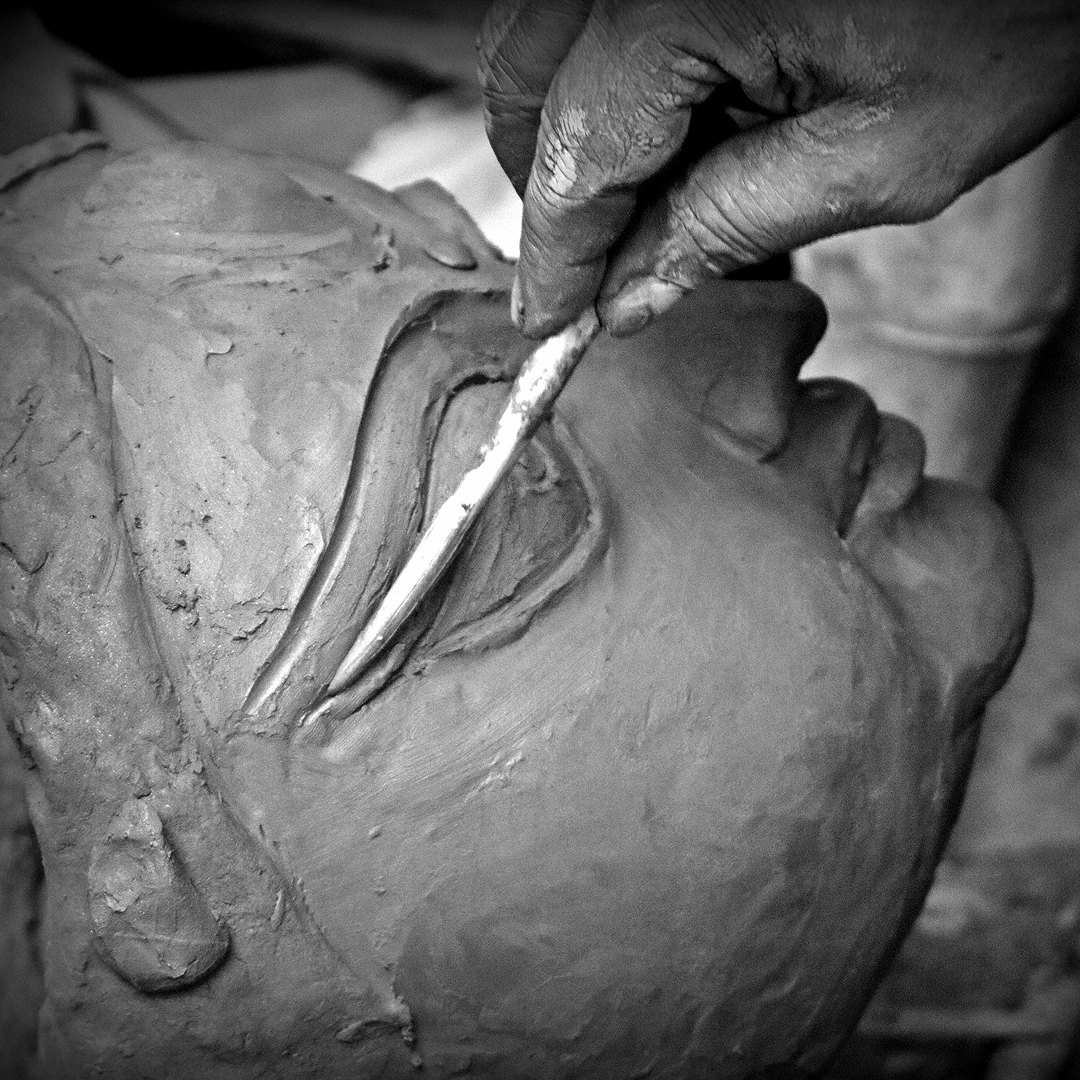
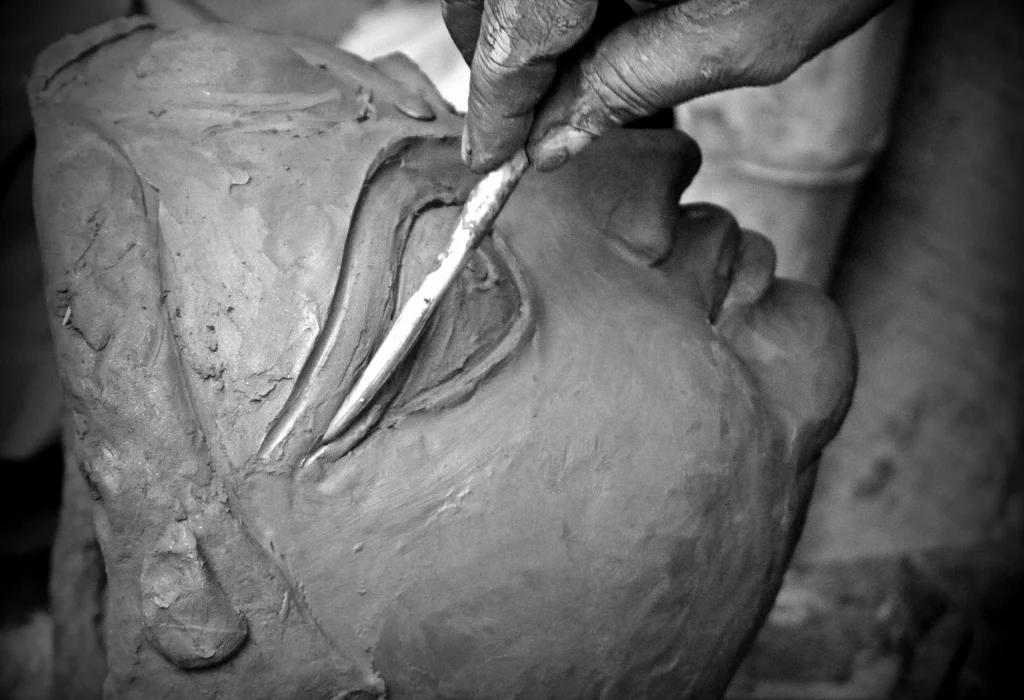
Kumartuli Artisan Making a Durga Idol
Direct Answer: What Is the Best Way to Experience Kolkata Culturally?
The best way to experience Kolkata culturally is to move through its conversations, neighbourhoods, food, books, and festival workshops rather than only its monuments. Spend time in College Street, Indian Coffee House, Kumartuli, North Kolkata lanes, Park Street, local sweet shops, old markets, and Durga Puja neighbourhoods. The city becomes most meaningful when you understand adda, Bengali food habits, public creativity, colonial memory, and the pride of para life.
Why Kolkata Belongs on Travelling Travel
Kolkata does not behave like a city that wants to be consumed quickly. It interrupts you. A tea stall becomes a debate. A bookshop becomes a memory archive. A sweet shop becomes family geography. A tram line becomes a question about what modern cities choose to preserve. A lane in Kumartuli becomes a workshop where clay slowly turns into a goddess that millions will later meet under lights and sound.
For Travelling Travel, Kolkata is important because it offers a different kind of cultural travel from Varanasi and Jorhat. Varanasi gave us sacred intensity. Jorhat gave us tea, land, river, and craft. Kolkata gives us urban emotion: conversation, literature, food, festival-making, colonial memory, politics, cinema, music, and neighbourhood identity.
This is a city where culture is not hidden behind museum glass. It is practiced in public. It happens in addas, para clubs, puja committees, second-hand book stalls, fish markets, old houses, coffee tables, and tram debates. To understand Kolkata, you need curiosity, appetite, walking shoes, and time for conversations that may begin with directions and end with history.
The Cultural Context of Kolkata
Kolkata is often called India’s cultural capital, but the phrase can become lazy if we do not ask why. The city’s cultural identity comes from a combination of colonial history, Bengali language pride, print culture, theatre, cinema, music, political participation, food memory, religious festivals, and a strong neighbourhood life known locally through the idea of the para.
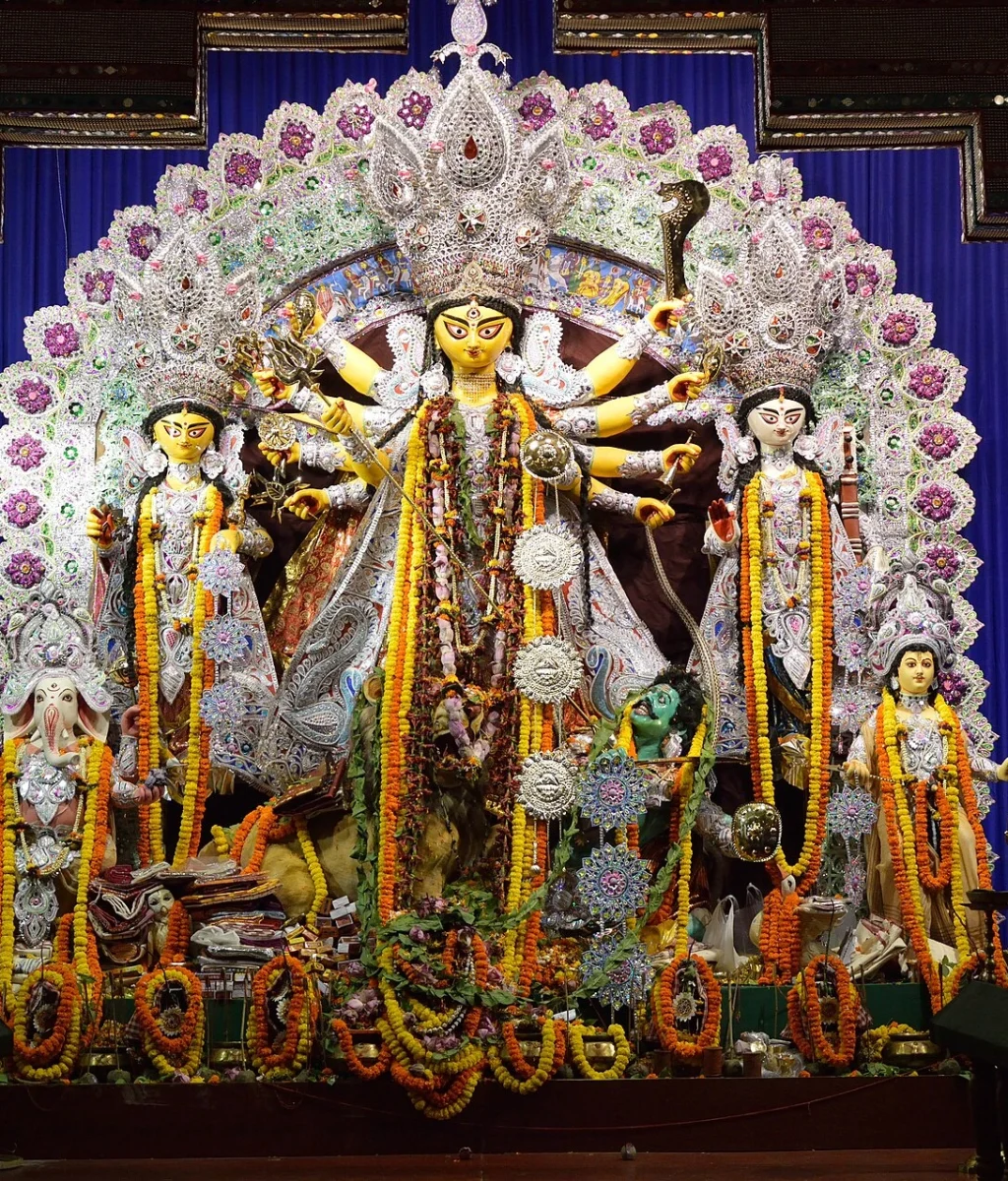
Durga Puja is the city’s most visible cultural event, and UNESCO has inscribed “Durga Puja in Kolkata” on the Representative List of the Intangible Cultural Heritage of Humanity. UNESCO describes the festival as an annual September or October celebration, most notably in Kolkata, with clay images sculpted in small artisanal workshops in the months before the festival.
But Kolkata cannot be reduced to Durga Puja alone. The festival is better understood as a lens: it reveals artisans, designers, electricians, bamboo workers, sponsors, local clubs, visitors, police, food vendors, families, and neighbourhood pride. The city’s creative soul exists year-round; Durga Puja simply makes it impossible to ignore.
Travelling Travel Lens
Do not ask only, “Which pandals should I see?” Ask, “How does Kolkata turn neighbourhood, labour, memory, art, food, and public emotion into one of the world’s most distinctive city festivals?”
How Calcutta Became Kolkata
To walk in Kolkata is to move through layers of Calcutta. The colonial city shaped law, education, trade, print culture, architecture, administration, and public institutions. The postcolonial city reshaped that inheritance through Bengali politics, migration, intellectual life, labour movements, cinema, and everyday survival.
Old North Kolkata still carries the mood of courtyards, balconies, narrow lanes, family houses, para clubs, old temples, sweet shops, and crumbling elegance. Central Kolkata brings institutions, offices, markets, and civic memory. South Kolkata often feels more residential, café-oriented, and contemporary, but its culture is also deeply Bengali in food, music, education, and everyday social life.
Kolkata’s evolution is not only architectural. It is emotional. Many cities modernise by erasing their older selves. Kolkata argues with its older self. It complains about decay, resists erasure, romanticises the past, adapts to change, and still insists that a conversation over tea can matter.
| City Layer | What It Reveals | Where to Notice It |
|---|---|---|
| Colonial Calcutta | Institutions, architecture, trade, education, and civic planning | BBD Bagh, Esplanade, Park Street, College Street |
| Bengali intellectual city | Books, debate, print culture, student life, cinema, theatre | College Street, Indian Coffee House, Nandan area |
| Neighbourhood Kolkata | Para clubs, local pride, food routines, festivals, family memory | North Kolkata, South Kolkata para lanes |
| Festival Kolkata | Public art, community labour, pandals, lighting, craft economies | Kumartuli, puja neighbourhoods, major pandal zones |
Adda: The City’s Favourite Public Art
Adda is difficult to translate because it is not just chatting. It is conversation with mood, time, opinion, humour, memory, and often no urgent purpose. Kolkata’s adda can happen at a tea stall, in a college corridor, outside a para club, inside Coffee House, at a bookshop, after a film screening, or during a long evening when people are supposed to be going home but do not.
For travellers, adda matters because it reveals the city’s mindset. Kolkata often thinks aloud. People discuss politics, football, cinema, food, poetry, inflation, transport, nostalgia, and neighbourhood gossip with equal seriousness. A visitor does not need to dominate these conversations. Listening is enough.
The mistake is to treat adda as a tourist performance. It is not staged. It is a social habit. If someone invites you into a conversation, enter gently. Ask questions. Do not force the city into a stereotype of “intellectual Bengalis.” Kolkata is more complicated than that. Adda can be warm, sharp, comic, argumentative, generous, and exhausting, sometimes all in the same hour.
Kumartuli and Durga Puja Beyond the Pandal
Kumartuli is one of the best places to understand Kolkata before the city becomes festive. Located in North Kolkata, it is known as the potters’ quarter where artisans sculpt clay idols, especially for Durga Puja. The most important thing to remember is that Kumartuli is a workplace and neighbourhood, not an open-air studio created for travellers.
In the months before Durga Puja, clay, straw, bamboo, paint, cloth, ornament, and labour come together in small spaces. The goddess appears slowly: first as a frame, then a form, then a face, then an expression. Watching this process can be moving, but it should also make travellers think about artisan livelihoods. Public art does not appear from nowhere. It is built by hands, deadlines, credit, family labour, seasonal workers, and material supply chains.
In June 2026, local reporting noted that Kumartuli artisans were facing disruptions related to clay supply, with concerns around delays and increased costs. For travellers, this is a reminder that festival culture is also an economy. Behind every dazzling pandal are people managing pressure, uncertainty, and craft survival.
| Kumartuli Experience | What It Teaches | Responsible Travel Note |
|---|---|---|
| Watching idol-making | Durga Puja begins as craft before it becomes spectacle | Ask before photographing artisans or unfinished idols closely |
| Walking workshop lanes | Shows cramped labour spaces behind public celebration | Keep out of working paths and avoid blocking movement |
| Buying small clay items | Supports local craft economies when done fairly | Do not bargain aggressively for handmade work |
| Pre-Puja visit | Reveals the making of the festival before crowds arrive | Go in daylight with patience and respect |
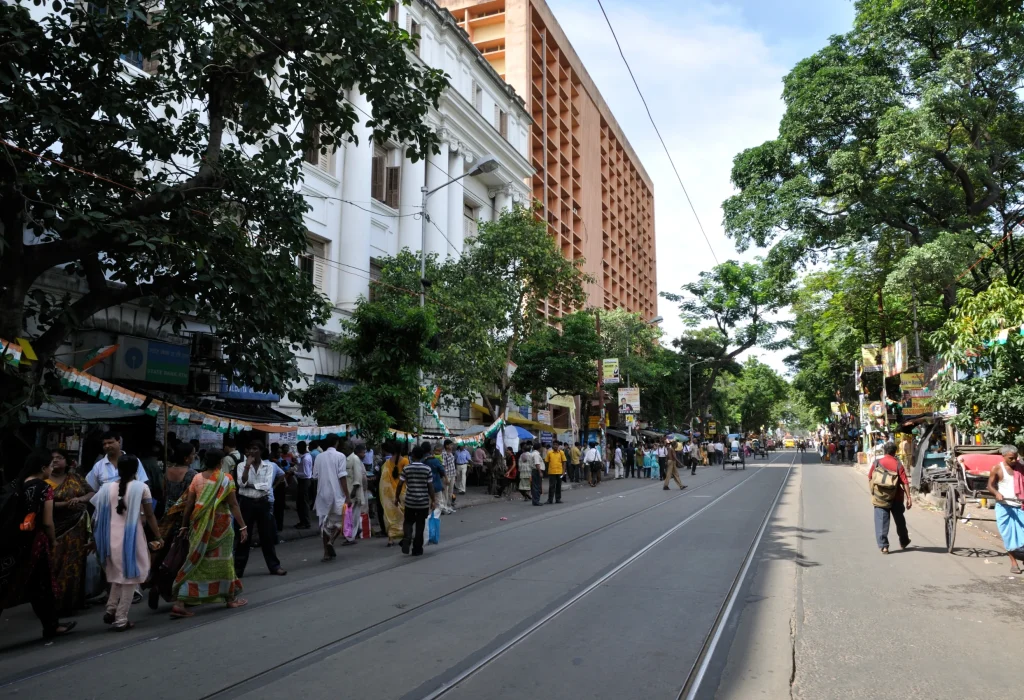
College Street Book Market
College Street, Coffee House, and the Bookish City
College Street is not only a place to buy books. It is a living ecosystem of students, teachers, publishers, second-hand sellers, exam aspirants, old readers, photocopy shops, academic ambition, and literary nostalgia. Local tourism descriptions commonly call it Boi Para, the book neighbourhood, and describe it as one of the world’s largest second-hand book markets.
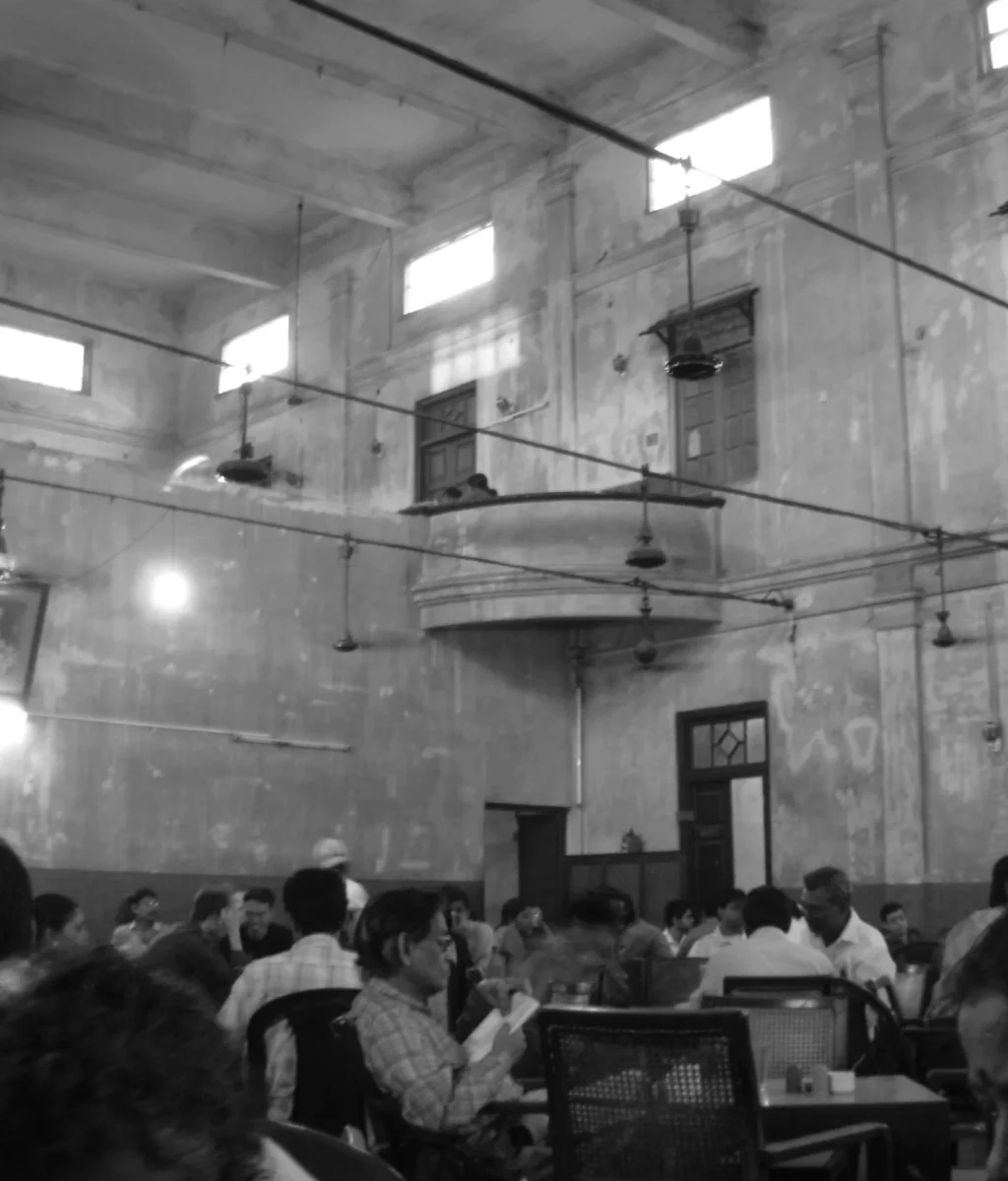
Nearby Indian Coffee House is not just a café in the ordinary sense. It is a memory institution. Its tables have carried student anxiety, political arguments, literary gossip, friendship, failure, ambition, and long conversations that outlast the coffee. Whether or not you romanticise it, the place helps explain why Kolkata’s culture cannot be understood without public conversation.
For travellers, College Street works best when approached slowly. Do not only search for a famous title. Notice the handwritten signs, the bargaining, the old textbooks, the students comparing prices, the sellers who know where a rare book might be hiding, and the sense that learning here is both economic and emotional.
Food, Markets, and Bengali Taste
Kolkata food is often introduced through sweets and rolls, but its deeper identity is built around memory. Food tells you about migration, class, family rituals, river fish, colonial clubs, Chinese breakfast lanes, Mughlai kitchens, street snacks, and the Bengali ability to turn a meal into a discussion.
Start with the everyday: bhaat, dal, fish curry, shukto, posto, begun bhaja, kosha mangsho, luchi, mishti doi, rosogolla, sandesh, telebhaja, and tea. Then look at neighbourhood food geographies. North Kolkata carries old sweet shops and traditional meals. Park Street carries club-era dining, bakeries, and Christmas memory. Tiretti Bazaar and Tangra point toward Kolkata’s Chinese community and food history. New Market remains a trading and sensory landmark.
For Travelling Travel readers, the question is not only “What should I eat in Kolkata?” It is “What does this food reveal about how the city remembers?” A sweet shop may hold family tradition. A roll stand may reveal office life. A fish market may explain the Bengali relationship with freshness, bargaining, and domestic pride.
| Food Experience | Cultural Meaning | How to Try It |
|---|---|---|
| Kathi roll | Portable city food shaped by office life, street hunger, and Kolkata innovation | Try around central Kolkata or Park Street areas |
| Bengali thali | Shows meal structure, fish culture, vegetables, bitter-sour-sweet balance | Choose a local Bengali restaurant and ask what is seasonal |
| Mishti doi, sandesh, rosogolla | Sweet culture, gifting, family visits, and neighbourhood loyalty | Visit an old sweet shop and try smaller portions |
| Telebhaja and chai | Evening snacks, rain mood, adda, and para life | Best near local snack shops in the late afternoon |
| Chinese breakfast or Tangra meal | Shows Kolkata’s Chinese community and hybrid food history | Go early for breakfast areas or plan a dedicated Tangra meal |
Indian Coffee House, College Street
A Meaningful 3-Day Kolkata Experience Flow
This is not a checklist itinerary. It is a cultural flow designed for travellers who want to understand the city through its neighbourhoods, food, craft, books, and conversations.
Day 1: College Street, Coffee House, and North Kolkata
Begin at College Street before the day becomes too hot or crowded. Browse slowly. Visit Coffee House with realistic expectations: the value is not luxury but atmosphere. Later, move toward North Kolkata for old houses, sweet shops, narrow lanes, and a sense of para life. End with a simple Bengali meal or street snacks rather than a rushed restaurant list.
Day 2: Kumartuli, River Edges, and the Making of Durga Puja
Visit Kumartuli in daylight. If you go before Durga Puja season, you may see stages of idol-making; outside peak season, the area still reveals craft continuity. Walk respectfully, avoid blocking workshops, and ask before taking close photos. Add a Hooghly riverfront stop nearby to understand how clay, immersion, trade, and city geography remain linked.
Day 3: Park Street, Museums, Markets, and Modern Kolkata
Use the third day for Park Street, New Market, a museum or cultural institution, and a food route. Park Street shows another Kolkata: restaurants, music memory, Christmas lights, colonial-era urban leisure, and the city’s appetite for celebration. If trams interest you, check the latest operating or heritage joyride information through official transport channels before planning around them, because Kolkata’s tram services have been reduced and debated in recent years.
| Trip Length | Best Cultural Focus | Who It Suits |
|---|---|---|
| 1 day | College Street, Coffee House, Park Street, one food stop | Transit travellers |
| 2 days | North Kolkata, Kumartuli, food, books, riverfront | First-time cultural travellers |
| 3 days | Books, food, Kumartuli, old neighbourhoods, markets, museums | Ideal Travelling Travel reader |
| 4–5 days | Add Durga Puja pandal trails, Belur Math/Dakshineswar, South Kolkata cafés, Chinatown food | Slow travellers and repeat visitors |
Durga Puja Public Art in Kolkata
Practical Travel Planning for Kolkata
Best Time to Visit
October to February is generally the most comfortable time to visit Kolkata because the weather is cooler for walking. Durga Puja usually falls in September or October, depending on the lunar calendar, and is the city’s most culturally intense travel period. If you want to see idol-making, visit Kumartuli in the months before Puja, not only during the festival itself.
How to Move Around
Kolkata has metro, buses, yellow taxis, app cabs, auto-rickshaws in certain routes, ferries, and walkable neighbourhood pockets. The metro is useful for longer distances. Walking is essential in areas like College Street, North Kolkata, Kumartuli, and markets. Keep footwear practical and your schedule flexible.
Where to Stay
First-time travellers may find Park Street, Esplanade, Ballygunge, Southern Avenue, or central locations practical depending on budget and interests. If your focus is Durga Puja, choose accommodation based on access to neighbourhoods you want to explore, not only hotel style. During Puja, traffic diversions and crowd movement can change travel times dramatically.
| Planning Point | Recommendation |
|---|---|
| Best season | October to February for comfortable walking; September/October for Durga Puja season |
| Ideal duration | 3 days for a strong cultural introduction |
| Best neighbourhood focus | College Street, North Kolkata, Kumartuli, Park Street, New Market, riverfront |
| Transport style | Metro for distance, walking for neighbourhoods, taxis/app cabs when needed |
| Festival planning | Book early, expect crowds, carry light, follow local police and volunteer guidance |
| Useful mindset | Leave time for conversation, food breaks, weather, traffic, and unplanned discoveries |
Approximate Budget Style
| Expense | Budget Traveller | Comfort Traveller |
|---|---|---|
| Stay | Guesthouses, budget hotels, simple central stays | Boutique hotels, heritage stays, better business hotels |
| Food | Street snacks, old sweet shops, local thalis | Curated Bengali meals, Park Street dining, guided food walks |
| Transport | Metro, walking, local buses where comfortable | App cabs, taxis, guided neighbourhood transfers |
| Experiences | Self-guided College Street and Kumartuli walk | Guided heritage walk, Puja walk, food tour, museum visits |
Responsible Travel in Kolkata
Kolkata is generous with culture, but that does not mean every cultural space is yours to consume. Responsible travel here is about respecting neighbourhood rhythm, artisan labour, festival crowds, and the privacy of people whose everyday lives may look photogenic to visitors.
- Ask before photographing artisans in Kumartuli. A workshop is a workplace, not a content studio.
- Do not block lanes during idol-making season. Materials, workers, and idols need space to move.
- Respect Durga Puja crowd systems. Follow volunteer, police, and barricade instructions during pandal hopping.
- Buy local without aggressive bargaining. Handmade work, books, and food all carry labour.
- Dress and behave respectfully in religious spaces. Durga Puja is public art, but also devotion.
- Do not reduce poverty or decay to aesthetics. Kolkata’s old buildings and crowded lanes deserve context, not romantic exploitation.
- Use public transport where practical. It helps you understand the city and reduces unnecessary congestion.
Cultural reminder: Kolkata rewards travellers who listen. Let the city argue, feed, delay, confuse, and charm you without forcing it into a simple story.
Quick Travel Tips for First-Time Visitors
| Tip | Why It Helps |
|---|---|
| Start neighbourhood walks early | College Street, Kumartuli, and markets are easier before peak crowding |
| Carry cash | Small bookstalls, tea stalls, and street food vendors may prefer it |
| Plan light during Durga Puja | Crowds and traffic diversions can slow movement dramatically |
| Ask before taking close photographs | Especially important in Kumartuli, markets, homes, and religious spaces |
| Try food in small portions | Kolkata is best eaten through many stops, not one heavy meal |
| Leave time for adda | The city’s best cultural moments often happen between planned stops |
FAQs About Visiting Kolkata
How many days are enough for Kolkata?
Three days are enough for a strong cultural introduction to Kolkata, including College Street, Coffee House, Kumartuli, North Kolkata, Park Street, local food, and one or two museums or markets. During Durga Puja, add extra time because crowds and traffic change the rhythm of the city.
What is Kolkata famous for culturally?
Kolkata is famous for Durga Puja, Bengali food, literature, adda, College Street, Indian Coffee House, theatre, cinema, music, old neighbourhoods, political conversation, sweets, and Kumartuli’s idol-making tradition.
What is adda in Kolkata?
Adda is a relaxed but often intense form of conversation. It can include politics, literature, cinema, football, food, memory, humour, and everyday life. It is one of Kolkata’s most important social habits.
When should I visit Kumartuli?
The months before Durga Puja are the most interesting because artisans are actively preparing idols. Visit in daylight, walk carefully, ask before taking close photos, and remember that the workshops are active workplaces.
Is Durga Puja a good time to visit Kolkata?
Yes, Durga Puja is one of the most culturally powerful times to visit Kolkata, but it is also crowded and logistically intense. Book early, travel light, follow crowd systems, and plan fewer activities per day.
What food should I try in Kolkata?
Try kathi rolls, Bengali thali, fish curry, shukto, posto, kosha mangsho, telebhaja, mishti doi, sandesh, rosogolla, and tea. If time allows, explore Chinese food histories around Tiretti Bazaar or Tangra.
Conclusion: Kolkata Is a City That Keeps the Conversation Going
Kolkata is easy to stereotype and hard to finish. It is emotional, argumentative, generous, decaying, creative, hungry, literary, festive, and deeply attached to its own memories. That is why it makes such a strong Travelling Travel destination.
Come for Durga Puja if you can, but do not leave Kolkata inside the festival alone. Look for the city before the lights switch on: in Kumartuli’s clay, College Street’s book dust, Coffee House conversations, North Kolkata balconies, Park Street tables, sweet-shop loyalties, tram debates, fish markets, and para evenings.
Travelling Travel Reflection
Travelling Travel is for people who do not just want to see places, but understand them. Kolkata belongs here because it turns travel into conversation: with food, with books, with old streets, with artisans, with festivals, and with a city that never stops explaining itself in public.