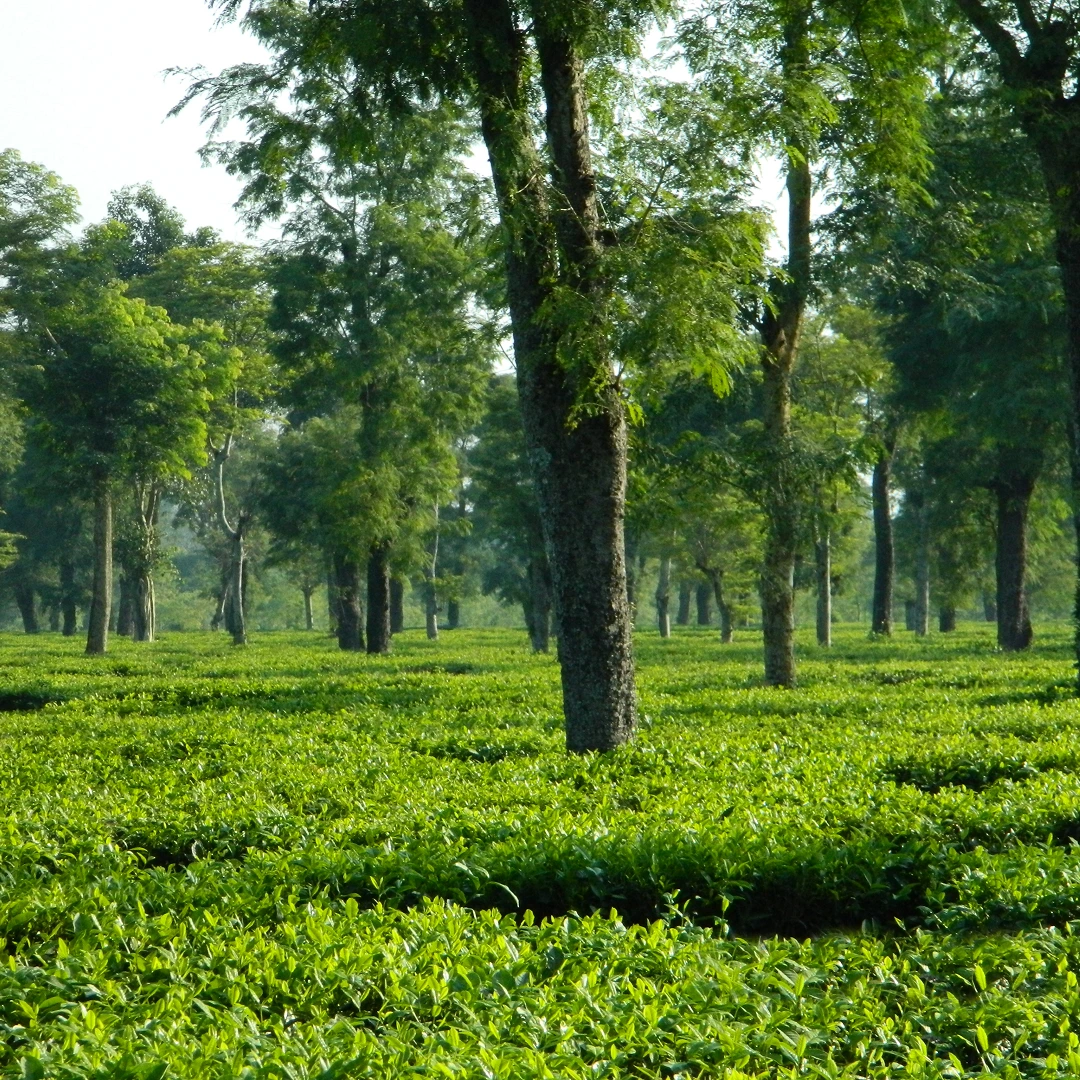
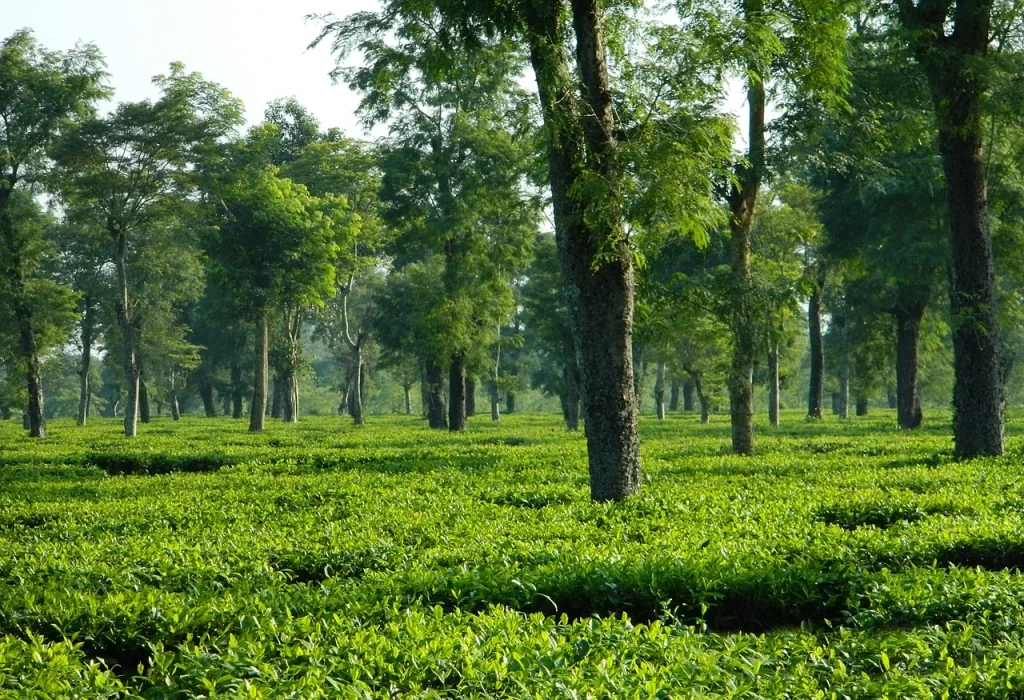
Tea Landscape Near Jorhat
Direct Answer: Is Jorhat Worth Visiting?
Yes, Jorhat is worth visiting if you want to understand Assam beyond a quick tea-garden photo. The city works best as a cultural base for tea estates, Tocklai Tea Research Institute, local Assamese food, markets, old clubs and colonial-era traces, Nimati Ghat ferry movement, and Majuli’s satras, mask-making, pottery, river villages, and Neo-Vaishnavite traditions. Plan at least three days if you want both Jorhat and Majuli without rushing.
Why Jorhat Belongs on Travelling Travel
Some destinations announce themselves with monuments. Jorhat speaks more quietly. It appears in the smell of wet tea leaves, the rhythm of Assamese conversations in market streets, the slow practical patience of ferry schedules, and the sense that every cup of tea has travelled through land, labour, weather, science, and memory before reaching your hand.
For Travelling Travel, Jorhat is valuable because it broadens the meaning of cultural travel. Culture here is not only ritual or architecture. It is agricultural. It is economic. It is linguistic. It is tied to tea workers, planters, researchers, small growers, ferry operators, market vendors, satra monks, mask-makers, potters, and families who live with the Brahmaputra’s seasonal moods.
Jorhat has also gained new relevance for travellers. Skyscanner’s 2026 travel trend coverage lists Jorhat as a trending destination and describes it as Assam’s cultural heart, known for tea estates, heritage, proximity to Majuli, and the Tocklai Tea Research Institute. That matters because travellers are increasingly looking beyond obvious routes and toward places where local culture still feels textured rather than packaged.
The Cultural Context of Jorhat
Jorhat sits in Upper Assam, a region shaped by the Brahmaputra Valley, tea estates, old trade movement, Ahom history nearby, and a strong Assamese cultural identity. It is often introduced as Assam’s tea capital, but that phrase becomes more meaningful when you treat tea not as scenery, but as a complete social world.
The city is close enough to Majuli to become a practical gateway, but it should not be reduced to a transit point. Jorhat has its own rhythm: educational institutions, tea research, colonial-era clubs, old markets, river access, and a quieter pace than larger northeastern cities. It is a useful base for a traveller who wants to understand how Assam’s landscape creates culture.
Assam Tourism’s tea tourism material notes that tea gardens have been integral to Assam’s landscape since the discovery of tea in 1823 and that the state has more than 800 tea estates. That is not just an agricultural fact. It explains why tea influences land use, work patterns, social identity, hospitality, and travel imagination in Assam.
Travelling Travel Lens
Do not ask only, “Which tea garden should I visit?” Ask, “How did tea turn land, labour, colonial memory, science, and daily hospitality into one of Assam’s strongest identities?”
How Tea Shaped Jorhat’s Identity
Tea is the most obvious reason travellers come to Jorhat, but the deeper story is not only visual. Tea created estates, worker settlements, research institutions, auction systems, clubs, roads, bungalows, and forms of social hierarchy. It also created a landscape that outsiders often romanticise without noticing the labour behind it.
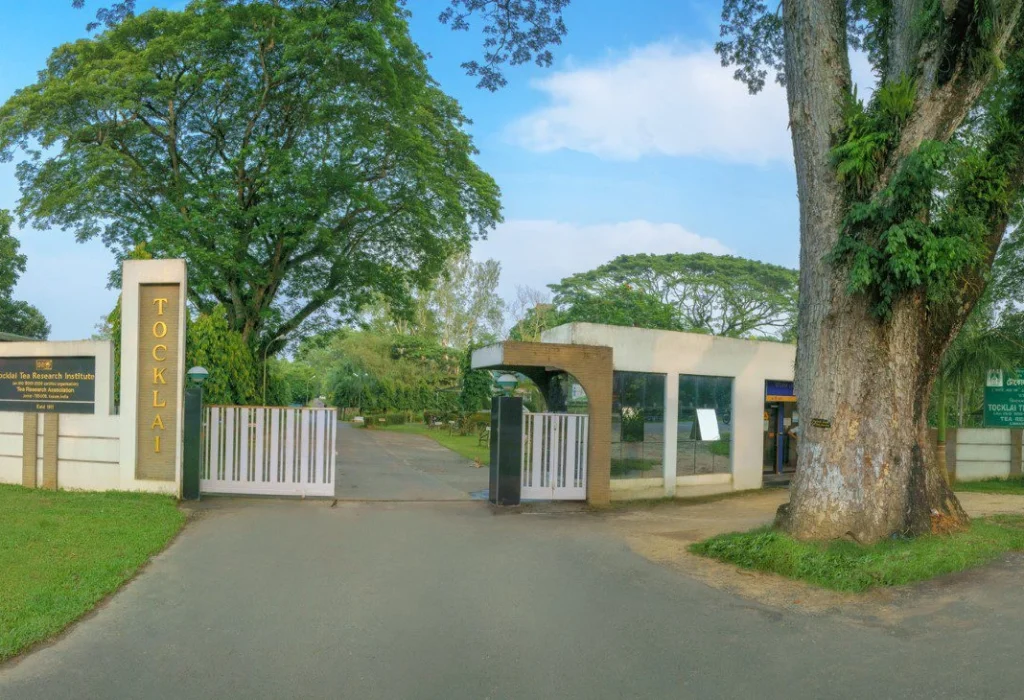
The Tocklai Tea Research Institute is central to this story. The Jorhat district website describes Tocklai as the world’s largest and oldest tea research centre, founded in 1911, with a tea museum and model tea factory that explain how leaves become tea. The Tea Research Association also identifies TRA Tocklai as a major research and development body serving the Indian tea industry.
For a cultural traveller, Tocklai matters because it shows that tea is not only heritage. It is science, pest management, soil, climate adaptation, quality control, and productivity. A tea garden visit may show beauty; Tocklai helps reveal systems.
There is also a contemporary economic layer. In 2026, reports noted concern among stakeholders after the Tea Board discontinued the Jorhat Tea Auction Centre under a new pan-India digital auction framework. You do not need to study tea commerce deeply before travelling, but awareness of such changes helps you understand that Jorhat’s tea identity is not frozen in the colonial past. It is still negotiating policy, markets, research, labour, and technology.
| Tea Culture Layer | What It Reveals | How to Experience It Respectfully |
|---|---|---|
| Tea estates | Landscape, labour, production, plantation history | Visit through approved tours or stays; avoid entering work areas without permission |
| Tocklai Tea Research Institute | Science behind cultivation, quality, disease control, and processing | Check visitor access in advance; treat it as an institution, not a photo stop |
| Tea tasting | Assam tea’s strength, colour, aroma, and everyday hospitality | Ask questions about flushes, processing, and local tea habits |
| Tea workers and small growers | The human economy behind the cup | Do not photograph workers closely without consent; pay fairly for guided experiences |
Tocklai Tea Research Institute, Jorhat
People, Mindset, and Everyday Rhythm
Jorhat does not usually overwhelm first-time visitors the way a pilgrimage city or megacity might. Its cultural appeal is quieter. The place asks you to notice pace: morning tea, market errands, campus movement, estate roads, ferry deadlines, and conversations that move between Assamese, Hindi, English, and local community languages depending on context.
Assamese social life often feels warm but not performative. Hospitality may arrive through tea before explanations. A person may speak proudly of Assam’s food, music, weaving, river, or rain, but there is also a practical awareness of distance. In the Northeast, travel is shaped by geography. Rivers, roads, weather, and administrative realities matter. Plans must remain flexible.
This is where Jorhat teaches slow travel. You cannot understand the place by racing through an estate, taking a ferry, and leaving the same day. You understand it better by watching how people arrange their lives around weather, river crossings, tea work, markets, academic calendars, and family routines.
Gateway to Majuli: Ferry, Satras, Masks, and River Life
Jorhat’s strongest cultural extension is Majuli, the river island across the Brahmaputra. Official Majuli district information says visitors need to board a ferry from Jorhat side, with Nimatighat as the nearest port, and notes ferry service availability from morning to afternoon. Because ferry timings can change due to season, water level, weather, and operations, always check locally or through Assam’s inland water transport channels before planning your crossing.
Majuli should not be treated as only a day-trip backdrop. Assam Tourism describes the island as famous for satras, mask-making, pottery, bhaona theatre, Sattriya dance, literature, boat-making, and communities including Mishing, Deori, Sonowal Kachari, and non-tribal Assamese residents. That makes Majuli one of the richest cultural landscapes in Assam.
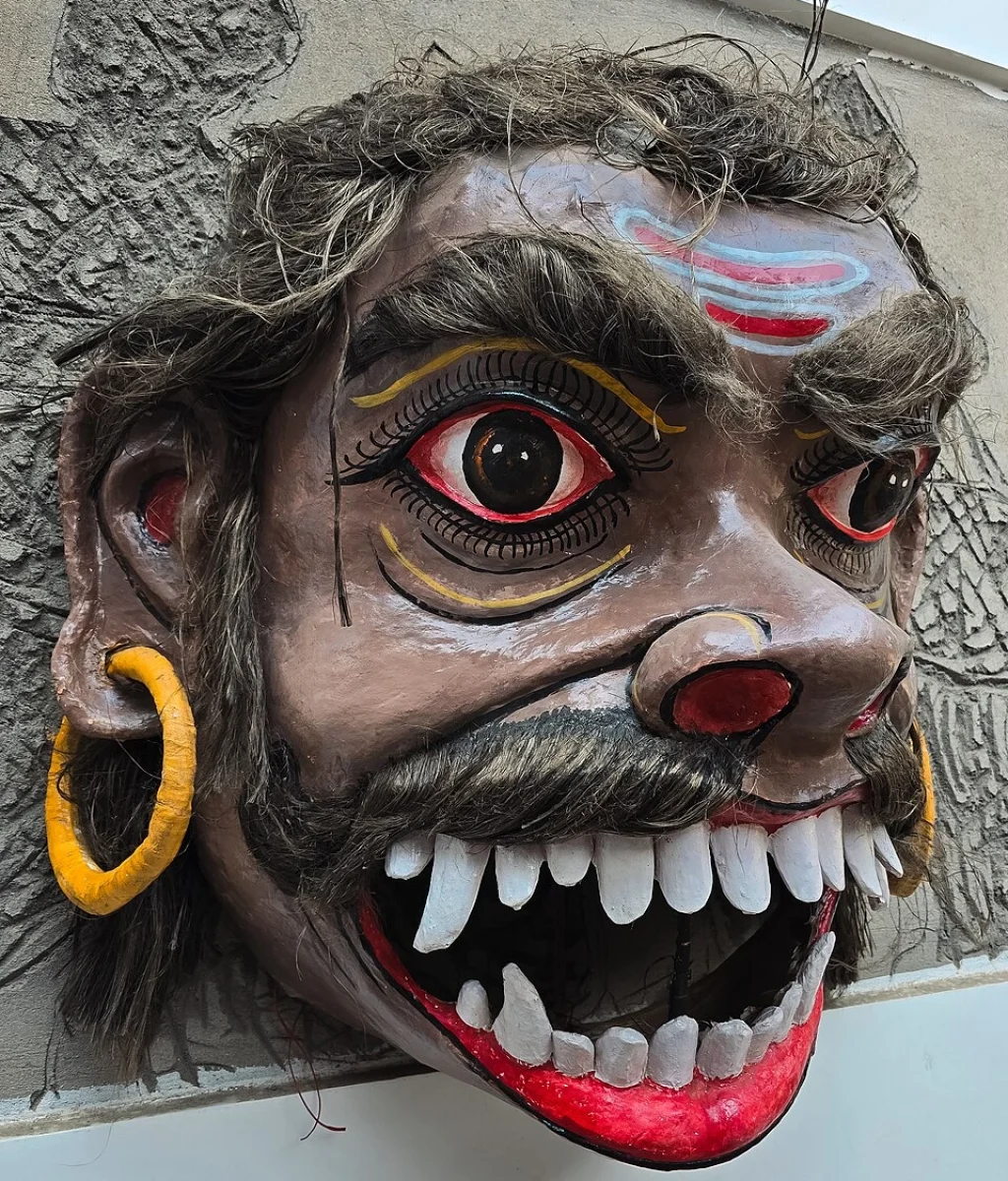
The satras are institutional centres of Vaishnavite culture. They preserve performance, devotion, manuscripts, theatre, dance, and community memory. Samaguri Satra, especially, is widely known for traditional mask-making. The district page for Sri Sri Samaguri Satra notes its worldwide reputation for mask-making and links the practice with Vaishnavite theatrical traditions.
A good Majuli visit is not about “covering” every satra. It is about entering the island’s rhythm respectfully: ferry arrival, village roads, bamboo homes, open fields, craft spaces, prayer halls, quiet courtyards, and the awareness that erosion and river change are part of local life.
| Majuli Experience | Cultural Meaning | Travel Note |
|---|---|---|
| Ferry from Nimatighat | Shows how the Brahmaputra shapes movement and timing | Check same-day timings; arrive early; keep buffer time |
| Satras | Centres of Neo-Vaishnavite religious, artistic, and literary culture | Dress modestly; ask before photographing interiors or people |
| Mask-making | Connects craft to bhaona theatre and devotional storytelling | Buy directly when possible; do not bargain aggressively with artisans |
| Pottery and village life | Reveals material culture, river clay, and everyday skill | Visit through local guides or homestays to avoid intrusion |
| Raas Leela season | Major cultural festival connected with performance and devotion | Book early; expect higher demand and fuller ferries |
Mask-Making Culture in Majuli
Food, Markets, and Local Taste
Food in Jorhat is one of the most practical ways to understand Assam. The flavours are usually less oily and less heavy than many mainstream North Indian travel meals. Rice, fish, greens, herbs, bamboo shoot, mustard, lentils, smoked or fermented notes, seasonal vegetables, and tea all shape the table.
A culturally curious traveller should look for an Assamese thali, maasor tenga, xaak, pitika, pitha when available, local tea, and market produce. In Jorhat, food is not only restaurant content. It is a conversation about river fish, household cooking, harvest rhythms, tea breaks, and the importance of sourness, freshness, and balance.
Markets can show you more than menus. Watch what greens are sold, how fish is displayed, how tea is consumed, how betel nut appears in daily life, and how local vendors move between Assamese, Hindi, and other languages depending on the buyer. These details help you understand the region without forcing a grand explanation.
| Food / Drink | What It Reveals | How to Try It |
|---|---|---|
| Assamese thali | Rice-based meal culture, balance of greens, fish, dal, chutneys, and seasonal vegetables | Choose a local restaurant and ask what is seasonal |
| Maasor tenga | Assam’s love for light sour fish preparations | Best at a trusted local eatery or homestay meal |
| Xaak and pitika | Everyday home-style simplicity and dependence on fresh produce | Try as part of a thali rather than as isolated dishes |
| Assam tea | Hospitality, plantation economy, and morning rhythm | Drink it plain and with milk to compare taste |
| Local pitha | Seasonal, festival, and household food traditions | Look for it around festival periods or local sweet shops |
A Meaningful 3–4 Day Experience Flow
Jorhat should not be rushed. The best trip combines tea, river, food, and Majuli with enough buffer for weather and ferry timing.
Day 1: Arrive in Jorhat and Learn the Local Pace
Use your first day to settle in, walk a market area, drink tea without turning it into a checklist, and eat an Assamese meal. Notice the city’s scale. Jorhat is not trying to perform for tourists. That is part of its value. Ask your stay or local guide about current ferry timings for Majuli before making plans.
Day 2: Tea Estate Context and Tocklai
Spend the morning understanding tea. Choose an approved tea estate visit or heritage tea stay if available. Ask about plucking, processing, flushes, labour, and how rainfall affects production. If visitor access is possible, add Tocklai for a more informed understanding of tea science. Keep the afternoon lighter. Tea landscapes are beautiful, but the culture becomes clearer when you slow down enough to ask how the system works.
Day 3: Ferry to Majuli
Leave early for Nimatighat and cross to Majuli. Visit one or two satras, a mask-making space, and a village or food stop with a local guide. Do not try to see everything. The ferry itself is part of the experience: the Brahmaputra teaches travellers that movement here depends on water, timing, weather, and patience.
Day 4: Majuli Overnight or Sivasagar Extension
If you have time, stay overnight in Majuli for a deeper island rhythm. Another option is to use Jorhat as a base for Sivasagar, where Ahom history adds a powerful historical layer to Upper Assam. For Travelling Travel readers, this is the ideal expansion: tea, river, craft, and political history in one slow route.
| Trip Length | Best Use | Who It Suits |
|---|---|---|
| 1 day | Jorhat market, tea tasting, local meal | Transit travellers |
| 2 days | Jorhat + tea estate or Tocklai context | Tea-focused travellers |
| 3 days | Jorhat + tea + Majuli day trip | First-time cultural travellers |
| 4–5 days | Jorhat + Majuli overnight + Sivasagar extension | Slow travellers and culture researchers |
Ferry Movement Between Jorhat Side and Majuli

Practical Travel Planning for Jorhat and Majuli
Best Time to Visit
The most comfortable time to visit Jorhat and Majuli is generally from October to March, when walking, ferry movement, tea estate visits, and cultural exploration are easier. Monsoon months can be beautiful but logistically uncertain because the Brahmaputra region is shaped by water levels and weather. If you want to experience Majuli’s Raas Leela, check dates in advance because festival timing follows the local calendar and accommodation demand can rise.
How to Reach Jorhat
Jorhat is connected by air and rail, and also by road from other Assam destinations. Many travellers combine Jorhat with Kaziranga, Sivasagar, Dibrugarh, or Majuli. If your trip depends on a ferry connection, avoid scheduling a same-day tight return flight. River travel needs buffer time.
How to Reach Majuli from Jorhat
The usual route is Jorhat to Nimatighat, then ferry to the Majuli side. Official district information mentions ferry service from morning to afternoon, but timings should always be checked locally because river operations can vary. Assam’s Inland Water Transport system also provides online ferry booking information for safer and more organised movement.
| Planning Point | Recommendation |
|---|---|
| Best season | October to March for comfortable weather and easier cultural exploration |
| Ideal duration | 3–4 days for Jorhat, tea culture, and Majuli |
| Where to stay in Jorhat | Choose central hotels for convenience or tea estate stays for atmosphere if available |
| Where to stay in Majuli | Homestays and eco-stays can offer deeper cultural context; book early in festival season |
| Transport style | Local taxis, autos, private cars, ferries, and local guides for Majuli |
| Important buffer | Keep extra time for ferry schedules, weather, and road movement |
Approximate Budget Style
| Expense | Budget Traveller | Comfort Traveller |
|---|---|---|
| Stay | Simple hotels, guesthouses, homestays | Better city hotels, heritage-style stays, curated tea experiences |
| Food | Local thalis, tea stalls, simple eateries | Curated Assamese meals, homestay meals, tea tastings |
| Transport | Shared transport where available, ferry, local autos | Private taxi for Jorhat-Nimatighat-Majuli coordination |
| Experiences | Self-guided market walk, public ferry, limited satra visits | Guided tea estate visit, Majuli local guide, craft visit, overnight island stay |
Responsible Travel in Jorhat and Majuli
Responsible travel here means understanding that landscapes are working spaces. Tea gardens are not only visual backdrops. Satras are not stage sets. Ferries are not just tourist experiences. They are part of local systems that people depend on.
- Do not enter tea estates without permission. Tea gardens are workplaces with safety, labour, and management rules.
- Ask before photographing workers, monks, artisans, or villagers. Consent matters more than your travel memory.
- Buy crafts directly when possible. Majuli’s mask-making and pottery traditions deserve fair support, not aggressive bargaining.
- Respect satra etiquette. Dress modestly, speak softly, and ask before photographing prayer spaces or performances.
- Keep ferry plans flexible. Do not pressure local operators when weather or river conditions affect movement.
- Avoid plastic waste. River islands and rural areas face waste-management pressure; carry back what you bring.
- Use local guides thoughtfully. A good guide can prevent cultural mistakes and direct your spending into the local economy.
Cultural reminder: Jorhat and Majuli are best experienced without extraction. Do not only take images, stories, and souvenirs. Leave money, respect, patience, and attention behind.
Quick Travel Tips for First-Time Visitors
| Tip | Why It Helps |
|---|---|
| Check ferry timing the day before Majuli | Schedules can vary due to river conditions and operations |
| Start early for Majuli | You need buffer time for road transfer, ferry, and local island movement |
| Carry cash | Smaller vendors, ferries, and rural areas may not always support digital payments smoothly |
| Pack light for ferry days | Heavy luggage makes river crossings and island transport harder |
| Try local food slowly | Assamese cuisine is best understood as a meal system, not isolated dishes |
| Keep an extra day if possible | The region rewards slow travel and punishes over-tight schedules |
Do not ask only, “Which tea garden should I visit?” Ask, “How did tea turn land, labour, colonial memory, science, and daily hospitality into one of Assam’s strongest identities?”
FAQs About Visiting Jorhat and Majuli
How many days are enough for Jorhat?
Two days are enough for a basic Jorhat visit focused on tea and local food. Three to four days are better if you want to combine Jorhat with Majuli, ferry travel, satras, craft visits, and a slower cultural pace.
How do I go from Jorhat to Majuli?
The common route is to travel from Jorhat to Nimatighat and take a ferry to Majuli. Ferry operations generally run during daylight hours, but travellers should check current timings locally or through Assam Inland Water Transport before travelling.
Is Majuli possible as a day trip from Jorhat?
Yes, Majuli is possible as a day trip if you start early and ferry timings work in your favour. However, an overnight stay is better for travellers who want to understand satra culture, village life, food, and river rhythm without rushing.
What is the best time to visit Jorhat and Majuli?
October to March is generally the most comfortable period for Jorhat and Majuli. Weather is cooler, walking is easier, and ferry-based planning is usually more manageable than during heavy monsoon conditions.
Can I visit tea gardens near Jorhat?
Yes, but access depends on estate rules, tours, and permissions. Do not walk into tea gardens without approval because they are active workplaces, not public parks.
What should I buy in Majuli?
Traditional masks, pottery, textiles, and locally made crafts can be meaningful purchases if bought directly and respectfully. Always check whether the craft is locally made and pay fairly.
Conclusion: Jorhat Is Where Assam Begins to Explain Itself Slowly
Jorhat is not the loudest destination in India, and that is exactly why it matters. It asks for a different kind of traveller: someone who can find meaning in a cup of tea, a ferry timetable, a market conversation, a research gate, a village road, or a mask-maker shaping mythology by hand.
Come here for tea, but do not stop at tea. Let Jorhat lead you into Assam’s deeper cultural landscape: the labour behind plantations, the science behind cultivation, the food behind hospitality, the river behind movement, and Majuli’s living traditions across the water.
Travelling Travel Reflection
Travelling Travel is for travellers who do not just want to see places, but understand them. Jorhat belongs here because it turns a simple question — “Where does tea come from?” — into a larger journey through land, people, craft, economy, river life, and Assamese identity.